
TL;DR:
- Hospitality packages combine premium access, dedicated service, and shared experiences to leave a lasting impression on clients. They significantly improve loyalty by creating memorable, frictionless events that evoke positive emotions and perceived value. Effective scaling and personalisation enhance the impact across different group sizes, supported by thorough pre-event planning and feedback.
Understanding how hospitality packages impress clients is the difference between a forgettable corporate gift and a relationship that lasts years. Most business professionals default to branded merchandise or restaurant dinners when thinking about client engagement. These approaches rarely produce lasting loyalty. Hospitality packages work differently. They combine premium access, dedicated service, and shared experiences into a single, cohesive offering that clients remember long after the event ends. This article explains the mechanics behind that impact, with practical guidance for event planners and business professionals looking to get measurable results from their hospitality investment.
Table of Contents
- Key takeaways
- What hospitality packages include
- The psychology behind client impressions
- Scaling packages for different group sizes
- Practical client engagement strategies
- My perspective on why hospitality outperforms other engagement tools
- How A1lifestyle can help you impress clients
- FAQ
Key takeaways
| Point | Details |
|---|---|
| Packages go beyond tickets | Effective hospitality bundles premium access, dedicated staff, dining, and lounges into one frictionless experience. |
| Service quality drives loyalty | Service quality shapes perceived value and positive emotions, which directly influence client retention. |
| Scale requires operational design | Corporate groups of 50 or 100 guests need structured staffing and pre-arrival planning to maintain consistent quality. |
| Personalisation increases impact | Pre-arrival add-ons and tailored touches convert a standard package into a memorable, client-specific experience. |
| Measurement matters | Gathering client feedback after events allows you to refine future hospitality strategies and demonstrate ROI. |
What hospitality packages include
A hospitality package is a bundled offering that combines event access with a curated set of premium services. The goal is to remove every friction point a client might encounter and replace it with a managed, high-quality experience.
Standard components typically include:
- Premium event tickets with priority or dedicated entry
- Private or shared lounges away from general admission areas
- Gourmet food and beverage service, often with dedicated catering staff
- Personalised service from a dedicated host or concierge throughout the event
- Exclusive access to areas, viewpoints, or entertainment not available to standard ticket holders
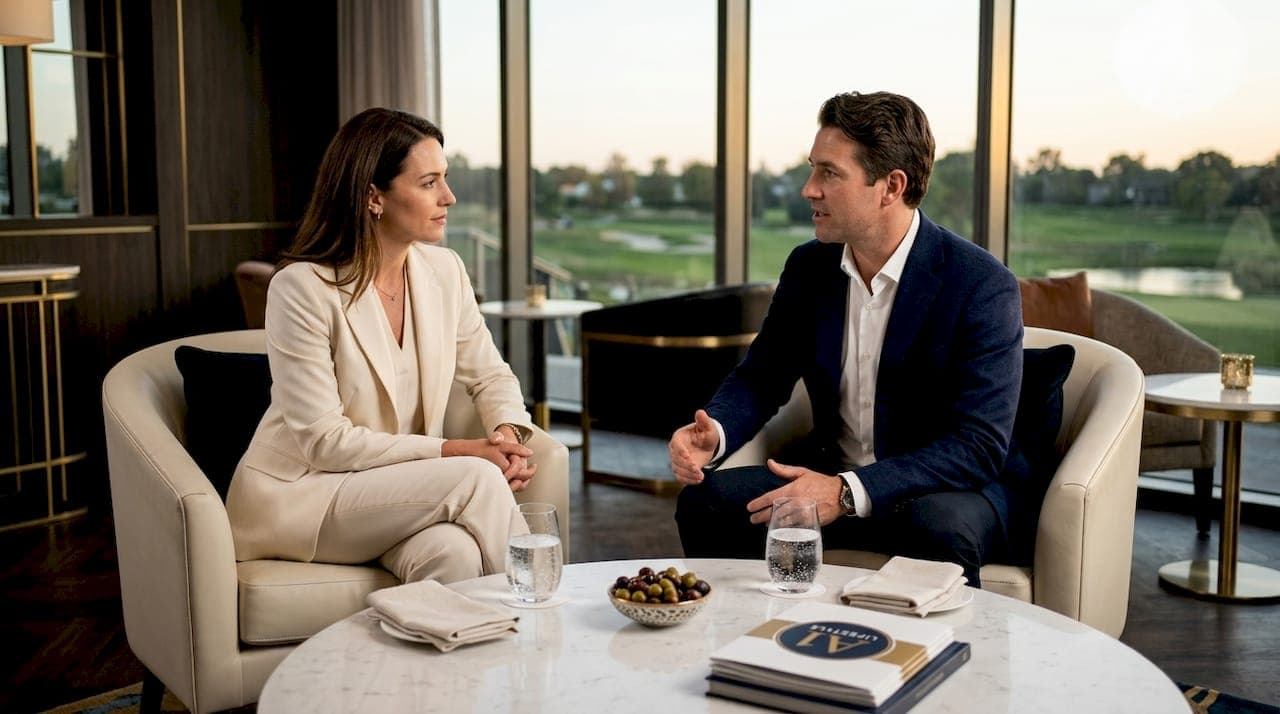
The contrast with regular admission is significant. World Cup 2026 packages bundle premium match tickets with lounges, food, drinks, and dedicated staff, creating a frictionless day that standard tickets simply cannot replicate. A client attending on a standard ticket queues for food, navigates crowds, and manages their own logistics. A client on a hospitality package arrives, is greeted by name, and is guided through the entire experience.
This distinction matters because the client's perception of your business is shaped by the experience you provide. When you remove the friction and add the premium layer, the association becomes positive and lasting.
Pro Tip: When selecting a package, prioritise those that include a dedicated host rather than just lounge access. A named point of contact transforms the experience from a nice venue into a genuinely personal occasion.
The psychology behind client impressions
The reason hospitality packages work is not simply about luxury. It is about how service quality translates into emotional and behavioural outcomes.
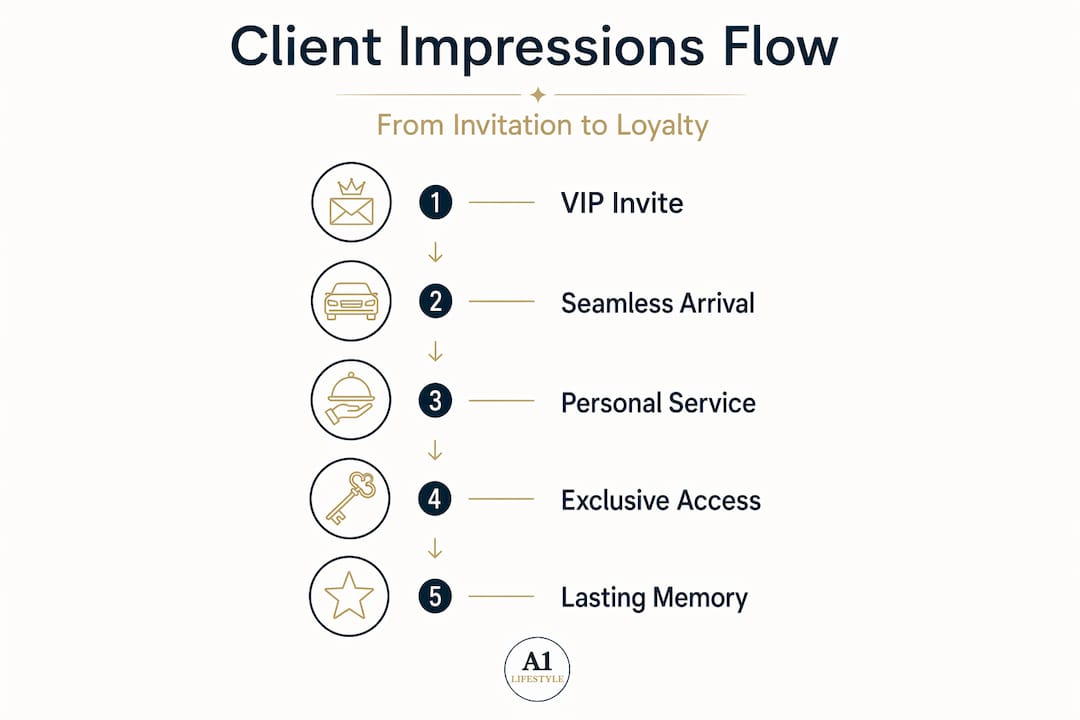
Research published in 2026 confirms that service quality positively affects perceived value, positive emotions, and memorable experiences, all of which mediate customer loyalty. This is the stimulus-organism-response model applied to hospitality. The premium environment and attentive service act as the stimulus. The client's emotional response, feeling valued and well-cared-for, is the organism stage. The outcome is satisfaction, loyalty, and a strengthened business relationship.
"Hospitality packages transform service quality into emotional and behavioural outcomes by creating memorable experiences that heighten client loyalty." — Service Quality and Customer Responses in Hotels
Memorable experiences are the critical link in this chain. Memorable hotel experiences significantly influence customer satisfaction and loyalty, with service quality acting as the crucial precursor. The same principle applies directly to event hospitality. When a client recalls a Formula 1 race from a trackside suite with personal catering, they are not just remembering the race. They are remembering how your business made them feel.
Frictionless logistics play a specific role here. Dedicated lounges, staff, and premium entry remove repeated decision points and elevate the client experience by eliminating the small frustrations that accumulate during a standard event day. Decision fatigue is a real phenomenon. When clients do not have to think about parking, queuing, or finding a seat, their cognitive resources are freed up for conversation, relationship-building, and genuine enjoyment.
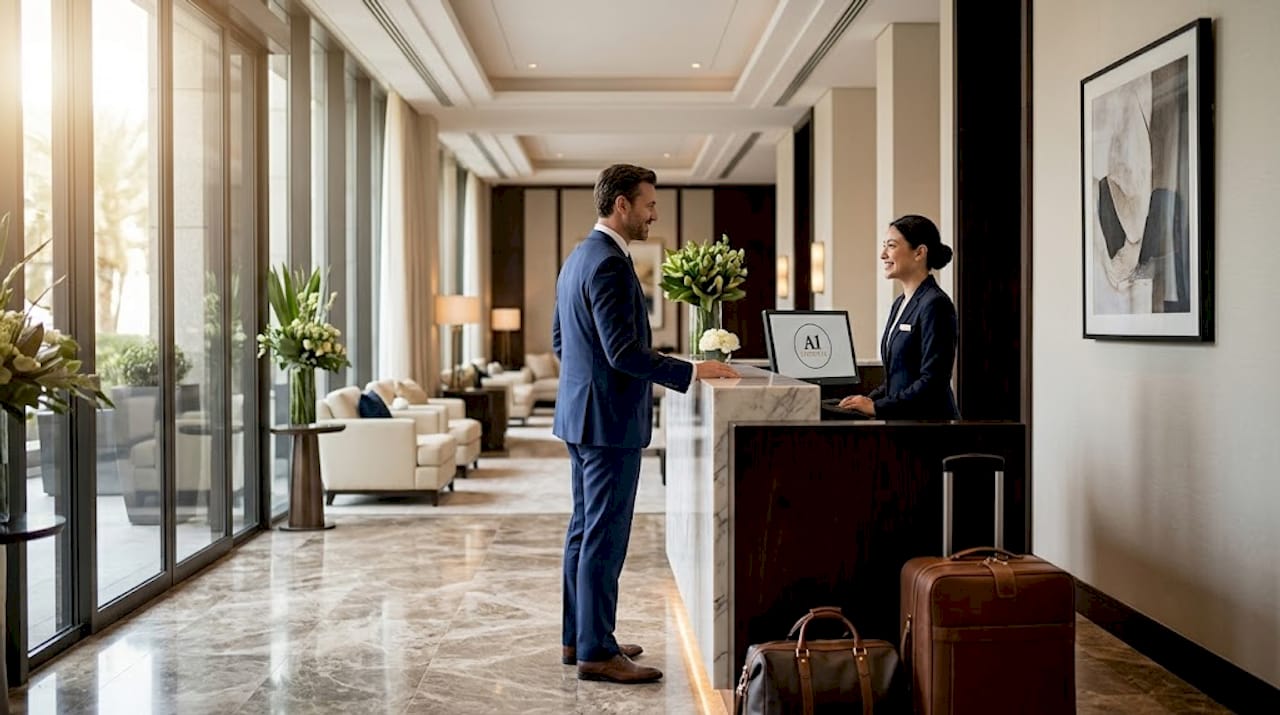
Personalised attention reinforces this further. When a client is addressed by name, offered their preferred drink, or seated with a view they specifically requested, the cognitive and emotional response is amplified. The experience feels curated for them, not generic.
Scaling packages for different group sizes
One of the practical challenges in corporate hospitality is maintaining quality across different group sizes. The approach differs significantly between a private suite for four clients and a corporate event for 100 guests.
The table below outlines how package features and suitability vary by scale:
| Group size | Typical format | Key features | Best suited for |
|---|---|---|---|
| 2 to 8 guests | Private box or suite | Dedicated host, bespoke menu, premium sightlines | Senior client relationships, board-level meetings |
| 10 to 30 guests | Semi-private lounge | Shared premium catering, priority access, hosted entertainment | Mid-tier client groups, team reward events |
| 50 to 100 guests | Corporate hospitality suite | Structured dining, entertainment programme, staffing ratios | Large-scale client events, product launches |
The Formula 1 Qatar Grand Prix 2026 illustrates the large-scale model clearly. The Lusail International Circuit offers packages in increments of 50 or 100 guests, with premium dining, trackside views, and exclusive entertainment. Selling in fixed increments is not arbitrary. It is an operational decision that ensures consistent service delivery and maintains the premium perception that makes the package worth the investment.
For smaller groups, the priority shifts to personalisation over operational scale. A private Premier League box for six clients allows for a level of bespoke service that a 100-person suite cannot replicate. The conversation is more intimate, the host can respond to individual preferences in real time, and the experience feels genuinely exclusive rather than managed.
Pro Tip: For groups above 30 guests, assign a dedicated internal coordinator alongside the venue's hospitality team. This person manages client-specific requests, dietary requirements, and seating preferences before the event, which prevents avoidable gaps in service on the day.
Practical client engagement strategies
Getting the most from hospitality packages requires planning that starts well before the event date. The following steps outline how to approach this effectively.
- Map client preferences in advance. Gather information on dietary requirements, accessibility needs, preferred sports or entertainment genres, and any milestone occasions such as birthdays or work anniversaries. This data shapes every subsequent decision.
- Use pre-arrival add-ons to personalise. Integrating upselling into booking processes allows clients to customise their experience before arrival. Options might include upgraded seating, personalised welcome gifts, or private transport such as helicopter transfers for high-value clients.
- Assign a named host for every event. The host is the single point of contact for all client needs during the event. This removes confusion, speeds up problem resolution, and reinforces the sense of personal attention.
- Align the event with a business objective. Hospitality works best when it connects to a broader relationship management goal. Use the event to introduce a new product, celebrate a contract renewal, or strengthen a relationship that has been primarily digital.
- Measure outcomes after the event. Collect structured feedback within 48 hours. Ask clients what they valued most, what could be improved, and whether they would attend a similar event. This data directly informs future investment decisions.
Beyond the event itself, consider how technology can support the experience. Guest profiles, digital upselling, and streamlined check-in increase client satisfaction and loyalty by making every touchpoint feel considered. A client who receives a personalised message the morning of the event, confirming their arrangements and offering to address any last-minute needs, starts the day with a positive impression already formed.
It is also worth noting how 2026 hospitality trends are shifting the definition of a premium experience. Top hospitality providers are now building experiences around storytelling, sensory journeys, and regional identity rather than simply premium food and drink. For event planners, this means thinking about the narrative of the day. What story does this experience tell about your business and your relationship with the client?
My perspective on why hospitality outperforms other engagement tools
I have worked with clients across industries, from financial services to retail, and the pattern is consistent. The businesses that invest in hospitality packages retain clients at a noticeably higher rate than those that rely on gifts, vouchers, or purely digital engagement.
The reason is straightforward. A shared experience creates a shared memory. A branded pen does not. When a client recalls an Arsenal match from a private box where every detail was handled for them, they associate that quality of care with your business. That association is difficult to replicate through any other means.
What I have also learned is that the operational side is where most businesses underinvest. They book the package and assume the experience will manage itself. It does not. The difference between a good hospitality event and a genuinely impressive one is almost always in the pre-event planning. Who confirmed the dietary requirements? Who briefed the host on the client's background? Who arranged the transport?
The businesses that get this right treat hospitality as a managed process, not a one-off booking. They document preferences, brief their teams, and review outcomes. That discipline is what converts a pleasant day out into a client relationship that endures.
Digital engagement tools have their place. But they cannot replicate the emotional weight of a well-executed, in-person experience. That is why hospitality packages remain one of the most effective client retention tools available, regardless of how sophisticated digital alternatives become.
— Tony
How A1lifestyle can help you impress clients
A1lifestyle has over 30 years of experience securing exclusive access to high-profile events worldwide, from VIP concert packages to Formula 1 hospitality at the world's most sought-after circuits. Every package is supported by dedicated concierge services that handle logistics, personalisation, and on-the-day coordination so you can focus entirely on your clients.
Whether you are hosting two senior clients in a private box or managing a corporate group of 50 at a Premier League fixture, A1lifestyle builds the experience around your specific requirements. Explore the full range of sports and entertainment packages or speak to the team directly about tailored solutions. For businesses that want to impress clients with packages that deliver genuine, measurable impact, A1lifestyle provides the access, expertise, and support to make it happen. Visit A1lifestyle to explore current availability.
FAQ
What do hospitality packages typically include?
Hospitality packages combine premium event tickets with dedicated lounge access, gourmet catering, personalised service, and priority entry. The specific components vary by event and provider, but the defining feature is a bundled, managed experience that removes friction for the client.
Why are hospitality packages effective for client retention?
Service quality positively affects perceived value and positive emotions, which directly influence loyalty. Hospitality packages create memorable shared experiences that clients associate with the business hosting them, strengthening the relationship over time.
How do you scale hospitality for large corporate groups?
Large-scale packages, such as those offered at Formula 1 events in fixed increments of 50 or 100 guests, use structured staffing ratios and pre-planned dining and entertainment programmes to maintain consistent quality across the full group.
How should you measure the success of a hospitality event?
Collect structured client feedback within 48 hours of the event, focusing on what clients valued most and whether the experience met their expectations. Combine this with relationship metrics such as contract renewals or follow-up meeting rates to assess the broader business impact.
Can hospitality packages be personalised for individual clients?
Yes. Pre-arrival add-ons and guest profiles allow organisers to tailor dietary preferences, seating arrangements, welcome gifts, and transport to individual client needs, significantly increasing the perceived value of the experience.