

Exclusive access in travel means entry to experiences, locations or events that are limited in availability and not open to the general public. This covers private tours, after-hours museum visits, invitation-only dinners and VIP event hospitality. It is most useful for time-poor travellers on milestone trips who want depth over volume. When an offer is genuinely exclusive, you will usually see at least one of these signals:
- Private hours or closed-door access — the venue is not open to other visitors at that time
- Invitation-only or limited-capacity rules — a fixed maximum number of guests, often in single figures
- A named, curated host — a curator, artist, chef or local expert, not a generic guide
- Documented permissions — written confirmation from the venue, institution or landowner
- No public booking channel — the experience cannot be purchased through a standard ticketing site
The distinction matters because the term is widely overused. Priority queuing and fast-track entry are useful perks, but they are not exclusive access. True exclusivity, as industry commentary notes, is built on connection and relationships rather than convenience alone.
Key takeaways
Exclusive access in travel means entry to experiences that are genuinely unavailable to the general public, arranged through relationships and documented permissions rather than standard booking channels.
| Point | Details |
|---|---|
| Definition | Exclusive access covers private tours, after-hours visits, invitation-only events and VIP hospitality not available through public channels. |
| Main benefits | Time efficiency, privacy, deeper cultural connection and unique experiences that standard visits cannot replicate. |
| How to verify | Request written confirmation of private hours, the host's name, documented venue permissions and cancellation terms before paying. |
| When it is worth the cost | Milestone trips, rare or once-only opportunities, and itineraries where time is the binding constraint. |
| A1lifestyle | A1lifestyle arranges verified exclusive access to concerts, sports events and shows, with over 30 years of industry expertise and a single point of contact throughout. |
Table of Contents
- What does exclusive access mean in travel, and what forms does it take?
- Why do travellers pay for exclusive access?
- How is exclusive access arranged, and who provides it?
- How much does exclusive access cost, and when is it worth it?
- What should you ask a provider before booking exclusive access?
- How a professional VIP service arranges exclusive access from start to finish
- Why the quietest moments in travel are often the most exclusive
- How A1lifestyle can help you secure verified exclusive access
- Sources
- FAQ
What does exclusive access mean in travel, and what forms does it take?
Exclusive access in travel falls into several distinct categories. Each delivers a different kind of experience, and knowing which type you want helps when comparing offers.
- After-hours and private museum visits. A traveller enters a gallery or heritage site outside public hours, often with a curator or conservator as guide. The National reports that hospitality brands are increasingly partnering with institutions to open areas that are normally closed, including private collections and restoration studios.
- Private guides and small-group bespoke tours. A single party travels with a specialist, whether an archaeologist, a local chef or a master craftsperson. Group size is typically capped at six to eight people, and the itinerary is built around the group's interests.
- Members-only venues and clubs. Entry requires membership, an introduction or a verified booking through a partner operator. Accessing these venues often depends on a relationship with a concierge or specialist service rather than a direct application.
- Private islands, lodges and charters. The property or vessel is booked exclusively by one party. Availability is limited by geography and season, with some properties taking only a handful of bookings per year.
- VIP event hospitality and backstage access. Private boxes, backstage passes and pre-show experiences at concerts, sports fixtures and shows. These differ from standard VIP upgrades because they include access to areas or people that are not available through any public channel.
- Hosted local encounters. A meal in a private home, a studio visit with a working artist or a harvest dinner at a family vineyard. These are arranged through specialist operators or destination management companies (DMCs) and rarely appear on any public listing.
Regional availability varies. After-hours access at major European museums tends to be more structured and available through hotel concierge partnerships. In some destinations, particularly smaller heritage sites in Asia or Latin America, access relies almost entirely on local relationships and is never publicly advertised.
Why do travellers pay for exclusive access?
The practical case is straightforward. Industry analysis describes preferred and exclusive access as a driver of emotional value and long-term loyalty, extending well beyond the convenience of skipping a queue. The benefits travellers most consistently report include:
- Time efficiency. A private tour of a major site in two hours covers more ground, with more depth, than a self-guided visit of four hours in a crowd.
- Privacy and personal safety. Smaller groups reduce exposure in sensitive locations and allow travellers to move at their own pace without managing other people.
- Deeper cultural connection. A hosted encounter with a local expert produces a different quality of conversation and memory than a standard guided tour.
- Unique stories. Experiences that cannot be replicated or easily described to others carry lasting social and personal value. Exclusive concert access at a sold-out event is one example where the story outlasts the event itself.
- Improved logistics. Private transfers, dedicated contacts and pre-arranged timings remove the friction that accumulates on complex itineraries.
There is also a secondary benefit that operators and hotels understand well: travellers who have a genuinely exclusive experience with a provider tend to return. The relationship becomes the asset, not the individual booking.
How is exclusive access arranged, and who provides it?
The supply side of exclusive access is more varied than most travellers expect. Specialist operators and DMCs are clear that many of the best experiences are not purchasable through ordinary channels. They exist because of long-standing local relationships, limited capacity and, in some cases, invitation-only rules that no amount of money can override.
Provider types and their typical strengths:
- Luxury hotels. Strong for after-hours cultural access and private dining, particularly where the hotel has an existing institutional partnership.
- Specialist tour operators. Best for bespoke itineraries and small-group access to heritage, nature or culinary experiences. Why luxury experiences require specialist access explains the operational reasons behind this.
- Concierge services. Useful for one-off requests and last-minute arrangements, though the depth of access depends on the concierge's own network.
- Members' clubs. Provide reciprocal access to partner venues globally, but membership criteria and costs vary significantly.
- VIP event hospitality brokers. Specialists in securing tickets, private boxes and backstage access for sold-out events where no public allocation exists.
A typical booking flow runs as follows: the client submits a brief and identifies priorities; the operator or broker checks feasibility, including timing, permits and capacity; partner negotiation and contracting follows; logistics are then confirmed, covering transport, security requirements and a guest brief; delivery happens on the day with a single point of contact; post-experience follow-up closes the loop.
For verification, expect written confirmation that names the specific access granted, the host or curator, the venue's permission, and the cancellation terms. Verbal assurances are not sufficient.

How much does exclusive access cost, and when is it worth it?
Pricing is driven by several factors: the rarity of the access itself, staffing costs for private guides or curators, after-hours timing (which often requires security and additional venue fees), transport and logistics, and any permits or local restrictions. There is no standard rate. A private after-hours visit to a mid-tier gallery might cost a few hundred pounds per person; a private island charter or backstage hospitality package at a major festival can run to several thousand.
Common trade-offs to consider:
- Reduced flexibility. Exclusive arrangements are often fixed in time and format. Changing the date or group size after confirmation is usually difficult and sometimes impossible.
- Stricter cancellation terms. Many exclusive bookings require non-refundable deposits and have short cancellation windows. Checking cancellation terms before committing is standard practice.
- False exclusivity. Some offers marketed as exclusive are simply fast-track or priority entry. The test is whether the experience is genuinely unavailable to other paying visitors at the same time.
When to spend on exclusive access:
- Limited time in a destination and a specific priority experience
- A milestone trip where the memory matters more than the cost
- A rare or once-only opportunity (a specific artist, a closed site, a one-off event)
When to skip it:
- Short stays where the logistics add complexity without proportionate gain
- Standard attractions where a private upgrade adds little beyond a quieter visit
- Tight budgets where the premium is not justified by the specific experience on offer
Travel insurance that covers non-refundable exclusive bookings is worth confirming before payment.
What should you ask a provider before booking exclusive access?
A clear checklist protects against the most common pitfalls. Use these questions when enquiring:
- What is the maximum group size, and is our group the only one present?
- Who exactly provides the access — the venue directly, or a third-party contractor?
- What is included, and what requires separate payment on the day?
- What are the meeting point, timings and contingency if something changes?
- What are the cancellation and refund terms, in writing?
- Does the venue or institution hold documented permission for this access?
- Can you provide a sample itinerary and the name of the host or curator?
Red flags to watch for:
- Vague references to "VIP treatment" with no specifics about what is actually private
- No written confirmation of exclusive hours or closed-door access
- Pressure to pay in full immediately without a contract
- Contractors who cannot name their local partner or venue contact
Pro Tip: Ask for a single point of contact for the day itself. A professional operator will always provide one. If the answer is vague, that is a reliable signal of how the experience will be managed.
On negotiation: haggling on price is rarely productive with genuinely exclusive access, because the cost reflects real constraints (permits, staffing, capacity). What is reasonable to ask for is additional inclusions — a private transfer, an extended time slot, or a follow-up recommendation from the host. Relationships, not price pressure, are the real currency here.
How a professional VIP service arranges exclusive access from start to finish
Understanding the operational steps behind a professional booking helps set realistic expectations and explains why specialist providers deliver outcomes that a direct approach often cannot.
- Initial brief. The client describes the experience they want, the group size, dates and any specific priorities (a particular artist, a specific venue, a language requirement).
- Feasibility check. The operator confirms whether the access is available on those dates, checks permit requirements and assesses whether the group profile meets any venue criteria.
- Partner negotiation. The operator contacts its local partner, whether a museum director, a venue manager or an event promoter, and negotiates terms. This stage often relies on established trust rather than a commercial transaction.
- Contracting. A written agreement is issued covering the scope of access, the host's identity, timing, cancellation terms and any security requirements.
- Logistics confirmation. Transport, security briefings and a guest information pack are prepared. The client receives a single point of contact for the day.
- On-site delivery. The experience runs as contracted, with the operator's representative available throughout.
- Post-experience follow-up. The operator checks in with the client and, where relevant, passes feedback to the host or venue.
True exclusive access is rarely advertised. It exists because an operator has spent years building the trust of a curator, a venue director or a local family — and that relationship is what the client is really purchasing when they book through a specialist.
This is the distinction that industry analysis consistently highlights: access built on relationships produces experiences that cannot be replicated by booking directly or through a mass-market platform. A1lifestyle draws on over 30 years of industry expertise and a global network to manage exactly this process, from initial brief through to post-event follow-up, for concerts, sports events, shows and bespoke travel experiences. How exclusive event access is arranged covers the operational detail in full.
Why the quietest moments in travel are often the most exclusive
The most memorable travel experience I can point to was not the most expensive or the most logistically complex. It was an after-hours visit to a small archaeological museum, arranged through a local contact, with a conservator who had spent twenty years working on the collection. There were four of us. The lights were low. She talked about individual objects as though they were people she knew.
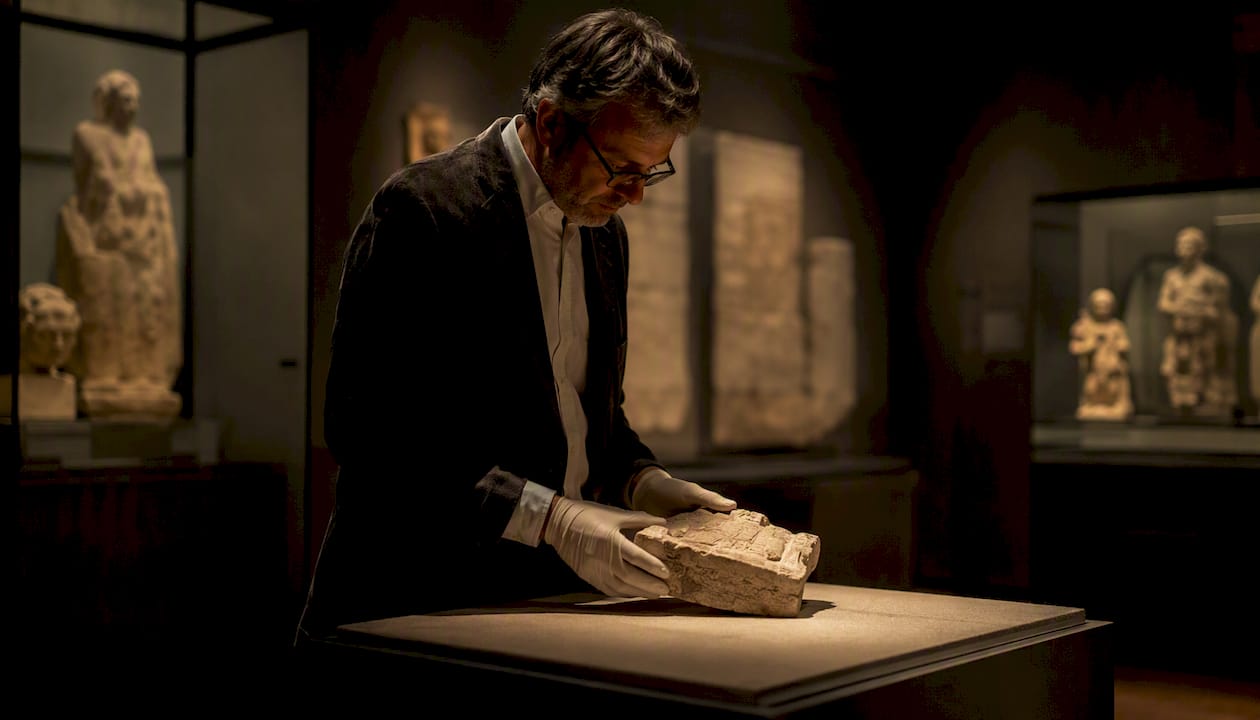
What made it exclusive was not the closed doors or the private hours. It was the absence of performance. No commentary written for a crowd, no time pressure, no one else's agenda. The access created the conditions for a real conversation, and that conversation became the story. Crowds do not prevent good travel. They do prevent that particular kind of encounter.
How A1lifestyle can help you secure verified exclusive access
A1lifestyle provides verified exclusive access to sold-out concerts, sports events, shows and bespoke experiences, with a single point of contact managing every stage from enquiry to delivery.
The enquiry process is straightforward: submit a brief with your dates, group size and the type of experience you want. A1lifestyle's team assesses feasibility, confirms availability through its vetted partner network and returns a proposal with full pricing and terms before any payment is required. Typical turnaround for a proposal is 24–48 hours for event-based requests; bespoke cultural or travel access may take longer depending on permit requirements.
What to expect from the service:
- A single named contact from enquiry through to post-event follow-up
- Vetted partners with documented permissions for all access provided
- Written confirmation of exactly what is included before any deposit is taken
- Day-of coordination covering transport, timing and contingency
Deposits and contract terms vary by event and access type; all terms are confirmed in writing before commitment. For music events, sports hospitality and shows, availability changes quickly. Contact A1lifestyle directly to check current availability and receive a tailored proposal.
Sources
The following sources informed this article and provide further reading on exclusive access in travel.
- Stop Wasting Holidays: Why Adult Travelers Should Invest In Exclusive Access Experiences Now
- Access all areas: Inside the travel trend offering private tours and opening closed doors
- Luxury travel access: what it really means
- The power of preferred access in today’s experience-driven travel economy
These sources illustrate current industry coverage. When booking, always compare provider confirmations against the specific access terms stated in writing.
FAQ
What does exclusive access mean in travel?
Exclusive access in travel refers to experiences, locations or events that are limited in availability and not open to the general public, such as private tours, after-hours museum visits and invitation-only hospitality. It differs from standard VIP upgrades in that the access itself is unavailable through any public booking channel.
What does a private or exclusive tour include?
A private tour typically means a single group travels with a dedicated specialist guide, with no other visitors present, following an itinerary built around the group's specific interests. The guide is usually a subject expert rather than a general-purpose tour leader.
How does a travel concierge or specialist service arrange exclusive access?
A specialist service uses established relationships with venues, institutions and local partners to negotiate access that is not publicly available, then manages all logistics including permits, transport and on-site coordination. The client receives written confirmation of exactly what is included before any payment is committed.