
TL;DR:
- Successful group sports hospitality requires early booking, clear objectives, and detailed logistics planning to ensure a seamless experience. Building a branded home base and arranging exclusive access enhance networking and guest satisfaction, while thorough scheduling and safety measures prevent common operational issues. Planning six to twelve months in advance and including contingency funds help avoid costly last-minute decisions and improve overall event outcomes.
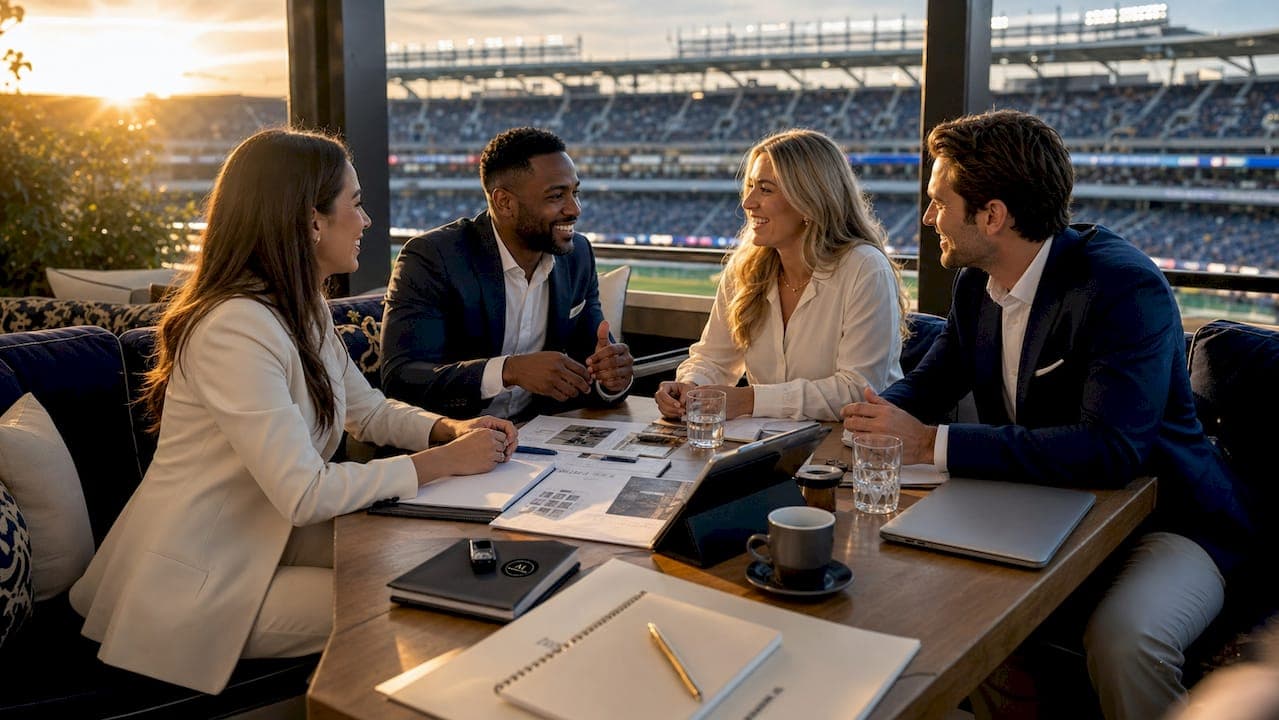
Group sports hospitality events are defined as professionally managed, curated experiences that combine live sports attendance with private catering, exclusive access, and structured networking for a group. The industry term for the premium tier is VVIP hospitality, and understanding that distinction matters when you are setting expectations and budgets. Successful sports event planning requires a clear timeline, a realistic budget, and a logistics framework built well before the event date. This guide covers every stage, from setting objectives to managing guests on the day, so you can deliver an experience that earns its investment.
What do you need before you plan a group sports hospitality event?
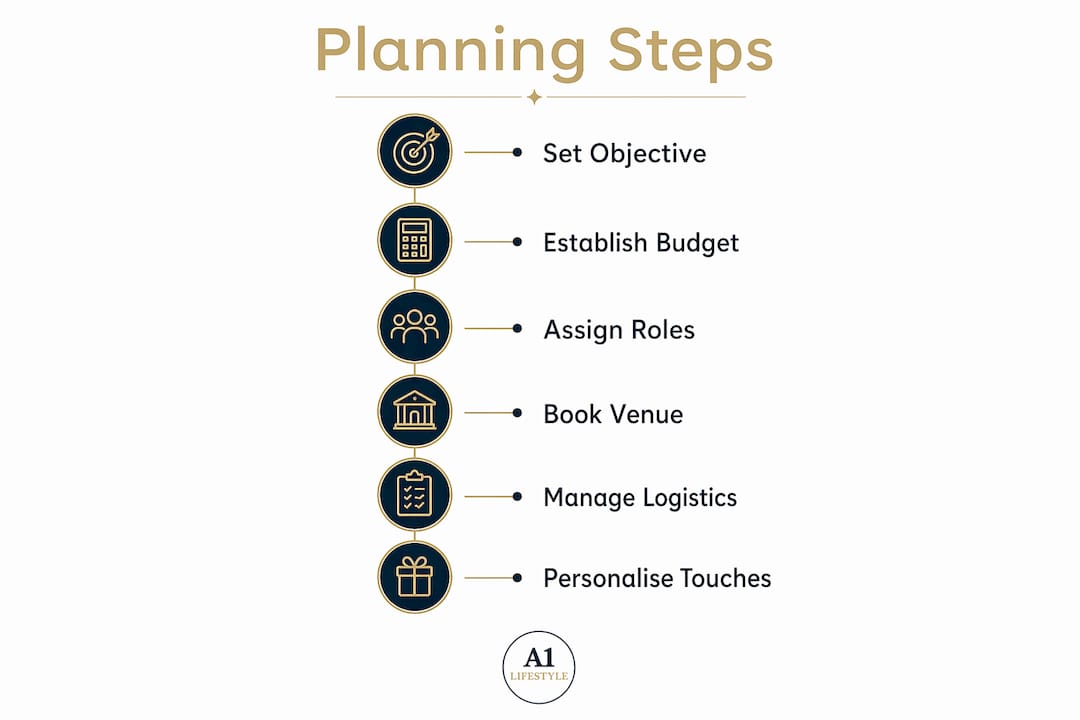
Every well-run group hospitality event starts with three things: a clear objective, a confirmed budget, and an assigned planning team. Without all three in place before any booking is made, decisions become reactive and costs escalate.
Define the objective first
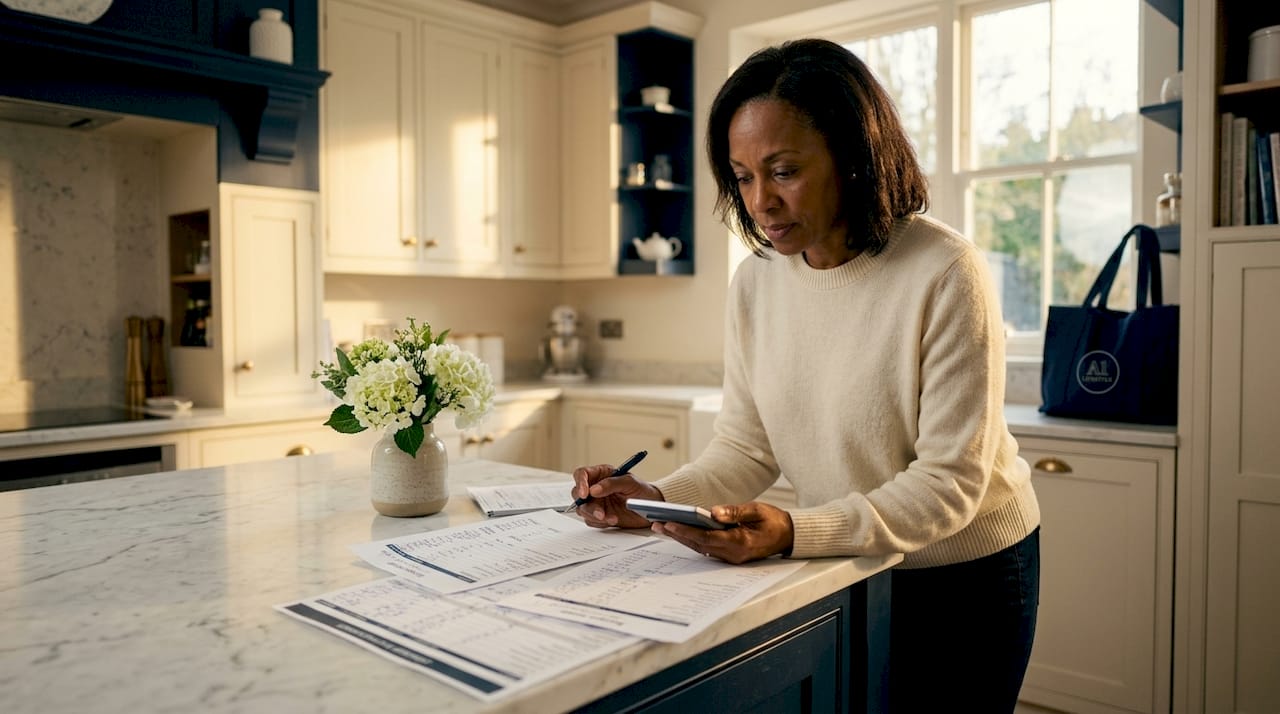
The objective shapes every other decision. A corporate networking event for 30 senior clients has different requirements from a staff reward day for 100 employees. Write the objective in one sentence and share it with every stakeholder before any venue or package discussion begins.
Pro Tip: Engage key stakeholders in the objective-setting meeting, not just after it. Their input at this stage prevents costly scope changes later.
Establish a realistic budget
VVIP hospitality programmes range from £50,000 to well over £500,000 depending on event tier, group size, and the level of exclusive access required. That range reflects the difference between a standard hospitality suite at a domestic fixture and a fully bespoke paddock experience at a Formula 1 Grand Prix. Set a per-head budget and a total ceiling before approaching any supplier.
For smaller group events and one-day sports tournaments, budgets typically start at £500 and scale with venue, catering, and staffing requirements. That figure is a floor, not a target, for corporate group hospitality.
| Planning requirement | Key consideration |
|---|---|
| Objective | Written, agreed, and shared before any booking |
| Budget | Per-head and total ceiling confirmed upfront |
| Planning team | Roles assigned: lead planner, logistics, guest liaison |
| Venue criteria | Capacity, location, accessibility, hospitality tier |
| Timeline | Booking deadline mapped to event date |
Assemble the planning team
Assign a lead planner, a logistics coordinator, and a guest liaison before any external contact is made. Each role has a distinct remit. The lead planner owns the budget and supplier relationships. The logistics coordinator manages transport, scheduling, and venue operations. The guest liaison handles invitations, dietary requirements, and on-the-day queries.
When and how should you book venues and hospitality packages?
Booking timeline is the single most common planning failure in group hospitality services. Premium sports hospitality generally requires booking 6 to 12 months in advance, with some major events like NBA All-Star weekend or Premier League cup finals requiring even earlier commitment. That window exists because the best suites, private boxes, and bespoke packages sell out first.
Understanding [why hospitality sells out early](https://blog.a1lifestyle.co.uk/blog/why sports hospitality sells out early key factors) helps planners prioritise their booking calendar. Demand for premium inventory at high-profile fixtures consistently outpaces supply, and late enquiries are typically left with reduced options at higher prices.
What to look for in a hospitality package
Not all packages are equal. The key differences between package types include:
- Official hospitality packages. These are sold directly by the venue or rights holder. They offer guaranteed access and baseline service standards, but limited flexibility on catering, branding, or guest flow.
- Bespoke group packages. These are arranged through specialist providers and allow customisation of catering, branding, entertainment, and exclusive add-ons. They require more lead time but deliver a more controlled experience.
- Private box or suite hire. This gives the group a dedicated space within the venue. It is the most effective format for corporate networking because it separates the group from general hospitality areas.
Reviewing the full range of sports hospitality package types before committing helps planners match the package to the objective rather than defaulting to the most visible option.
Venue selection criteria
Capacity, transport links, and hospitality tier are the three non-negotiable venue criteria. A venue that holds 500 guests but has no direct public transport link creates an immediate logistics problem for group arrivals. Confirm parking allocation, nearest rail or tube stations, and coach drop-off points at the same time as confirming the hospitality space.
Pro Tip: If the preferred date is already sold out, ask the provider about waitlist positions or alternative fixtures. For recurring events like Premier League matches, multiple dates in the same season often carry the same networking value.
What logistics and operational steps ensure smooth event-day delivery?
Operational planning is where most group hospitality events either succeed or fail. The difference between a smooth day and a chaotic one is almost always in the scheduling detail.
Scheduling game times with 15-minute transition buffers between slots prevents overruns from cascading through the day's programme. That buffer absorbs late arrivals, extended catering service, and any venue-side delays without disrupting the guest experience.
Guest logistics and arrival management
Transport and arrival procedures require a written plan, not a verbal agreement. Assign a dedicated arrival point for the group, separate from general public entrances where possible. A branded welcome point with a named staff member present from 30 minutes before the first guest arrives sets the tone immediately.
Numbered cone markers or clear signage at field or suite entrances reduce directional queries significantly. Simple physical wayfinding removes the most common source of guest frustration at large venues.
| Logistic challenge | Practical solution |
|---|---|
| Late group arrivals | Staggered arrival window with 30-minute buffer before programme starts |
| Guest confusion at venue | Numbered markers, printed maps, and a named welcome contact |
| Catering overruns | Pre-set courses timed to match event schedule, not guest demand |
| Communication gaps | WhatsApp group or event app for real-time updates to all guests |
| Staffing shortfalls | One dedicated staff member per 20 guests as a minimum ratio |
Required amenities and staffing
Provide at least one portable restroom per 75 attendees for outdoor or hybrid venues. For indoor hospitality suites, confirm the venue's restroom capacity against your group size before signing the contract. Food and beverage upgrades beyond the standard package, such as a dedicated bar or pre-match dining, require advance notice to the venue's catering team, typically 4 to 6 weeks out.
Pro Tip: Appoint one internal team member as the on-the-day communications lead. All venue queries, guest issues, and schedule changes route through that person. It prevents conflicting messages reaching guests.
How can exclusive access and personalised touches enhance the experience?
The difference between a good group hospitality event and a memorable one is almost always in the exclusive elements. VVIP hospitality programmes combine private spaces, curated catering, exclusive access, dedicated logistics, and personalisation to create lasting impressions. Each element reinforces the others.
A branded hospitality home base within the venue gives the group a consistent reference point throughout the day. It controls service quality, reinforces the host's brand, and creates a natural gathering space for networking between event moments.
Exclusive access options worth pursuing
- Backstage or tunnel access. Available at select football, motorsport, and boxing events through specialist providers. Requires advance arrangement and is not part of standard packages.
- Athlete or driver meet-and-greet. High-impact for client entertainment. Availability is limited and must be confirmed months in advance.
- Private viewing areas. Separate from general hospitality, these offer unobstructed sightlines and a quieter environment for conversation.
- Personalised gifts and activations. Branded merchandise, personalised place settings, and tailored entertainment schedules signal attention to detail and are remembered long after the event.
Official packages provide a baseline, but high-impact networking requires relationships with access brokers and venue operators who can unlock exclusive elements. A1lifestyle has built those relationships over 30 years, which is why clients access experiences that are not available through standard booking channels.
Reviewing exclusive fan experiences at live sports events gives planners a clear picture of what is achievable beyond the standard hospitality tier.
Pro Tip: Personalisation does not require a large budget. A printed itinerary with each guest's name, a brief biography of the athletes they will meet, and a handwritten welcome note costs very little and creates a strong first impression.
What common pitfalls should planners avoid with group sports hospitality?
Most problems in event management for sports teams and corporate groups are predictable. The following issues appear repeatedly across group hospitality events of all sizes.
- Short booking timelines. Last-minute programmes can be executed within 48 to 72 hours, but costs increase sharply and options narrow. The best venues and packages are gone. Plan at 6 to 12 months where possible.
- Cascading schedule delays. One overrun affects every subsequent element. Build 15-minute buffers into every transition and brief all suppliers on the schedule in writing.
- Guest confusion over event flow. Guests who do not know where to go or what happens next become disengaged. A printed one-page itinerary and clear physical signage solve this before it starts.
- Budget overruns. Set a contingency of 10% to 15% of the total budget for unplanned costs. Catering upgrades, additional transport, and last-minute access requests are the most common sources of overspend.
- Inadequate safety and emergency planning. Confirm the venue's emergency procedures, first aid provision, and evacuation routes before the event. Brief the planning team on all three.
"The most expensive mistake in group sports hospitality is not overspending on the day. It is under-planning in the months before it, which forces reactive decisions that cost more and deliver less."
Key takeaways
Successful group sports hospitality requires early booking, clear objectives, and detailed logistics planning at every stage.
| Point | Details |
|---|---|
| Book 6–12 months ahead | Premium hospitality inventory sells out early; late bookings cost more and offer fewer options. |
| Set objectives before budgets | A written objective shapes every supplier decision and prevents scope creep. |
| Build 15-minute schedule buffers | Transition buffers prevent overruns from disrupting the full day's programme. |
| Use a branded home base | A dedicated group space controls service quality and supports networking. |
| Combine official and bespoke elements | Official packages provide access; bespoke add-ons create the memorable moments. |
What I have learned from planning group sports hospitality events
The biggest myth in corporate sports hospitality is that a bigger budget automatically produces a better experience. It does not. I have seen £200,000 programmes feel generic and forgettable, and I have seen tightly planned £30,000 events that guests talked about for months. The difference is always in the detail and the intent behind each element.
The branded home base concept is underused. Most planners treat the hospitality suite as a backdrop. The best events treat it as the centrepiece. When guests have a consistent, well-staffed, clearly branded space to return to between event moments, the networking happens naturally. You do not need to engineer it.
On timing, I would always rather start planning too early than scramble at six weeks out. The 6 to 12 month window is not industry caution. It is the reality of how quickly premium inventory moves at major fixtures. The planners who secure the best experiences are the ones who commit before the event is in the news cycle.
One more thing: flexibility matters as much as preparation. Build contingency into the schedule, the budget, and the guest plan. The events that go smoothly are not the ones where nothing went wrong. They are the ones where the team had a plan for when things did.
— Tony
A1lifestyle group sports hospitality packages
A1lifestyle has over 30 years of experience arranging group hospitality at the world's most sought-after sports events.
From Premier League hospitality packages at sold-out fixtures to bespoke group experiences at Formula 1 Grands Prix, A1lifestyle handles every element, from private box hire and exclusive access to personalised concierge services. The team manages venue selection, guest logistics, catering, and entertainment so planners can focus on their guests rather than their schedules. For groups requiring tailored arrangements, A1lifestyle's concierge services cover everything from transport coordination to athlete meet-and-greet access. Contact A1lifestyle directly to discuss availability and group pricing for upcoming fixtures.
FAQ
How far in advance should you book group sports hospitality?
Book 6 to 12 months in advance for major events. Some events allow 3 to 6 months, but premium inventory sells out significantly earlier.
What is the difference between official and bespoke hospitality packages?
Official packages are sold by the venue or rights holder and offer standard access. Bespoke packages are arranged through specialist providers and allow customisation of catering, branding, and exclusive add-ons.
How many staff do you need for a group hospitality event?
One dedicated staff member per 20 guests is a practical minimum. Larger groups or multi-zone venues require additional staffing at each transition point.
What is a VVIP hospitality programme?
A VVIP programme combines private spaces, curated catering, exclusive access, and personalisation into a single managed experience. It goes beyond standard hospitality packages by including elements such as backstage access, athlete meetings, and branded group spaces.
How do you prevent budget overruns at group sports events?
Set a contingency of 10% to 15% of the total budget before any supplier is engaged. Catering upgrades, additional transport, and last-minute access requests are the most common sources of unplanned spend.