
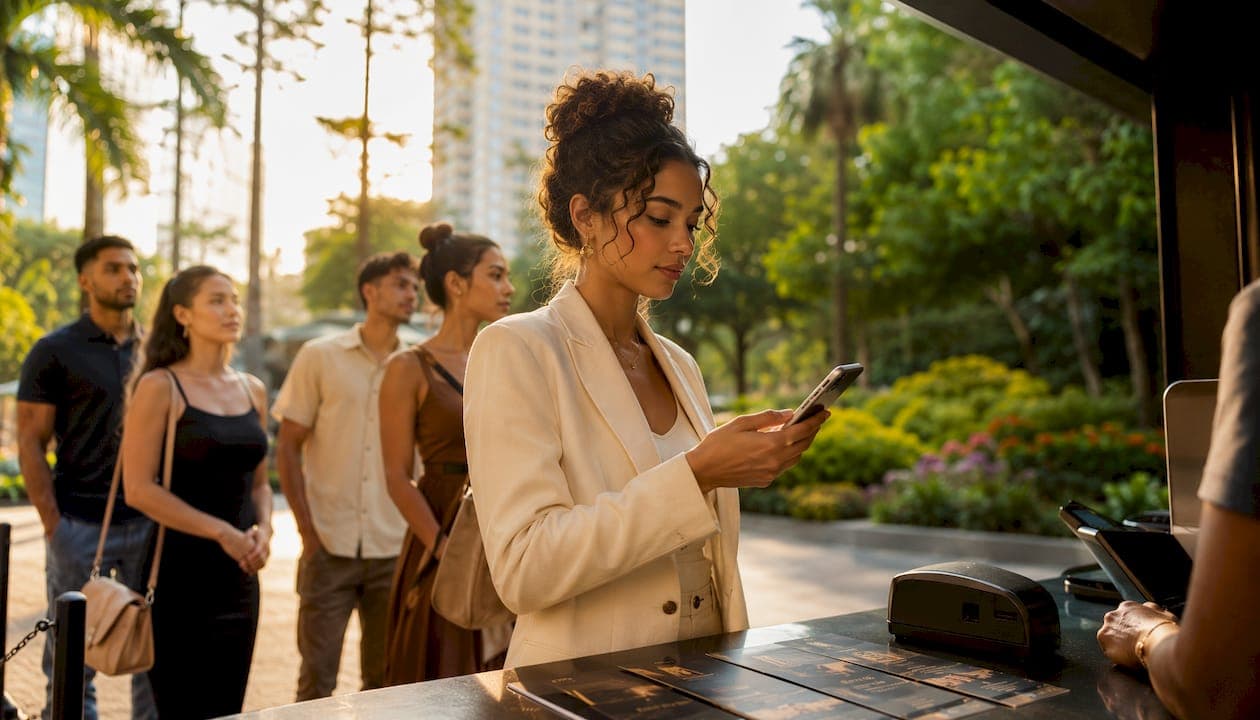
What does "sold out" actually mean for major events?
A sold-out ticket means the general public allocation for an event has been fully purchased. The status does not mean every seat in the venue is gone. It means the slice of inventory offered to the public has been exhausted.
That distinction matters because only about 46% of tickets reach the general public at all. The remaining 54% is divided between presales at 38% and industry holds at 16%, reserved for artists, sponsors, venues, and promoters. By the time a general sale opens, the inventory has already been cut nearly in half.
- Presales: fan clubs, credit card partners, and verified fan programmes receive access before the public
- Industry holds: artist, venue, sponsor, and production allocations set aside before any sale
- General sale: the remaining public allocation, often gone within minutes due to automated bots
- Returned tickets: abandoned carts and failed payments release small batches shortly after onsale
Bots accelerate the process further. A single broker can acquire thousands of tickets in seconds, leaving the general public competing for a fraction of what was advertised.
Table of Contents
- Why "sold out" status is often temporary
- Your consumer rights when buying resale tickets in the UK
- A1lifestyle: VIP access when standard routes are exhausted
- FAQ
- Key takeaways
Why "sold out" status is often temporary
"Sold out" is frequently a transitional status, not a permanent one. Late inventory returns through several predictable channels.
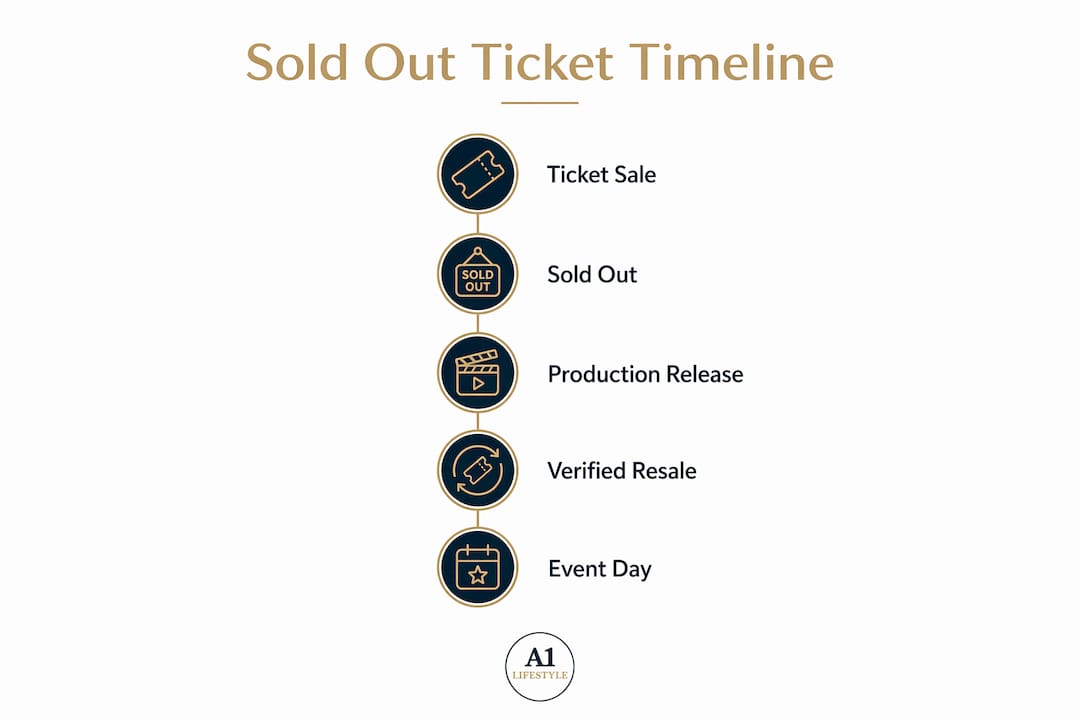
Production holds, reserved for crew, artists, and sponsors, are typically released days before an event when final logistics are confirmed. These are often among the best seats, returned at face value with no markup. Checking the primary ticketing page at 10 AM and 3 PM on the three days before a show recovers tickets more reliably than any other single method.
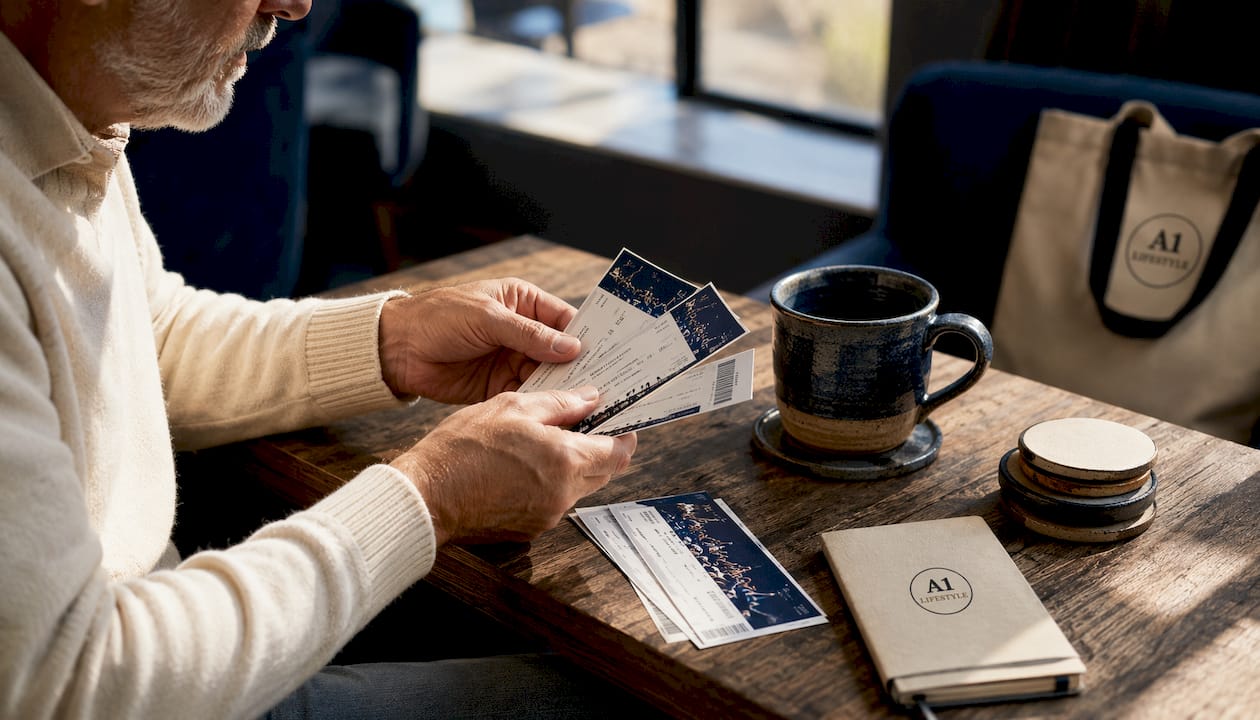
Official resale platforms integrated with primary ticketing systems offer a legitimate secondary route. Verified resale channels provide buyer protection, guaranteed barcodes, and immediate mobile transfers. Fees typically run above face value, which is a predictable cost compared to the risks of unverified sellers.
Pro Tip: Always choose mobile ticket transfer over static QR images or screenshots. A mobile transfer confirms the barcode is live and has not been duplicated.
Scams are prevalent in secondary markets. A significant share of Facebook Marketplace listings for tickets are fraudulent. Avoid irreversible payment methods such as wire transfers or peer-to-peer payments sent as "friends and family." Stick to platforms with published buyer guarantees and clear refund policies. For a full breakdown of safe purchasing steps, the A1lifestyle guide to buying sold-out tickets covers the process in detail.
Your consumer rights when buying resale tickets in the UK
UK consumer law provides specific protections for ticket buyers. The Consumer Rights Act 2015 requires that goods and services match their description. If a resale ticket fails at the venue gate, a verified platform with a buyer guarantee is obligated to replace or refund it.
The Secondary Ticketing Regulations 2018 require resellers to disclose the face value, the seat location, and any restrictions on the ticket. A seller who withholds this information is in breach of UK law. Buyers who purchase through unregulated channels, such as social media or informal peer-to-peer exchanges, lose these protections entirely.
For high-value events, purchasing through a regulated, named platform is the only route that preserves legal recourse. Understanding sold-out show access strategies within a legal framework reduces both financial and practical risk.
A1lifestyle: VIP access when standard routes are exhausted
A1lifestyle has operated in the premium events sector for over 30 years, with direct relationships across venues, promoters, and artists that sit entirely outside public sales channels. When a Premier League fixture, a major concert, or a headline festival date shows as sold out, A1lifestyle's network accesses inventory that never reaches the public. Clients receive personalised concierge services, private boxes, and VIP hospitality packages tailored to the event. For VIP concert access or Premier League hospitality, contact A1lifestyle directly to confirm availability.
FAQ
What does "sold out" mean for a concert or event?
It means the general public ticket allocation has been fully purchased. Significant portions of total inventory are held back via presales and industry holds before the public sale opens.
Can sold-out tickets become available again?
Yes. Production holds are typically released 72–48 hours before an event, and abandoned cart returns add small batches shortly after onsale.
Is buying resale tickets legal in the UK?
Verified resale is fully legal. The Secondary Ticketing Regulations 2018 require sellers to disclose face value, seat details, and any transfer restrictions.
How do I avoid ticket scams on the secondary market?
Use platforms with published buyer guarantees and mobile ticket transfer. Avoid irreversible payment methods and any listing on social media or unverified peer-to-peer sites.
How does A1lifestyle access sold-out events?
A1lifestyle draws on over 30 years of industry relationships to source VIP and hospitality inventory outside public sales channels, covering concerts, sports, and festivals.
Key takeaways
A sold-out ticket means the public allocation is gone, but verified resale and late production hold releases mean access often remains possible until days before an event.
| Point | Details |
|---|---|
| Public allocation is limited | Only about 46% of tickets reach the general public, with 38% allocated to presales and 16% to industry holds. |
| "Sold out" is often temporary | Production holds release 72–48 hours before events, returning face-value tickets to primary channels. |
| Scam risk is high | Over 25% of social media ticket listings are fraudulent; use verified platforms with buyer guarantees. |
| UK law protects buyers | The Secondary Ticketing Regulations 2018 require resellers to disclose face value, seat details, and restrictions. |
| A1lifestyle provides insider access | Over 30 years of industry relationships secure VIP inventory beyond public sales for concerts, sport, and festivals. |