

TL;DR:
- Official resale platforms like Ticketmaster and StubHub verify listings and provide buyer protections, making them safer options for purchasing sold-out tickets. Inventory often reappears in the final week before events due to cancellations, sponsor holds, and last-minute releases, increasing chances of finding tickets. Insider access programs, such as Spotify Reserved and artist fan clubs, enable superfans to secure tickets early at face value, minimizing reliance on secondary markets.
Buying sold-out event tickets is achievable through official resale platforms, insider access programmes, and strategic timing. The secondary ticket market, as the industry calls it, covers all resale activity after the original sale closes. Platforms like Ticketmaster's Face Value Exchange and StubHub operate verified resale listings with buyer protections built in. Insider programmes such as Spotify Reserved give superfans early purchase windows before tickets reach the open market. Avoiding scams means sticking to authorised channels and understanding exactly what protections apply to your purchase.
What are official resale platforms and how do they protect buyers?
Official resale platforms are authorised marketplaces where original ticket holders can sell to new buyers through a verified process. They differ from informal resellers because the platform itself validates each listing, cancels the original ticket, and reissues a new one to the buyer. This process eliminates the risk of duplicate or fraudulent tickets entering circulation.
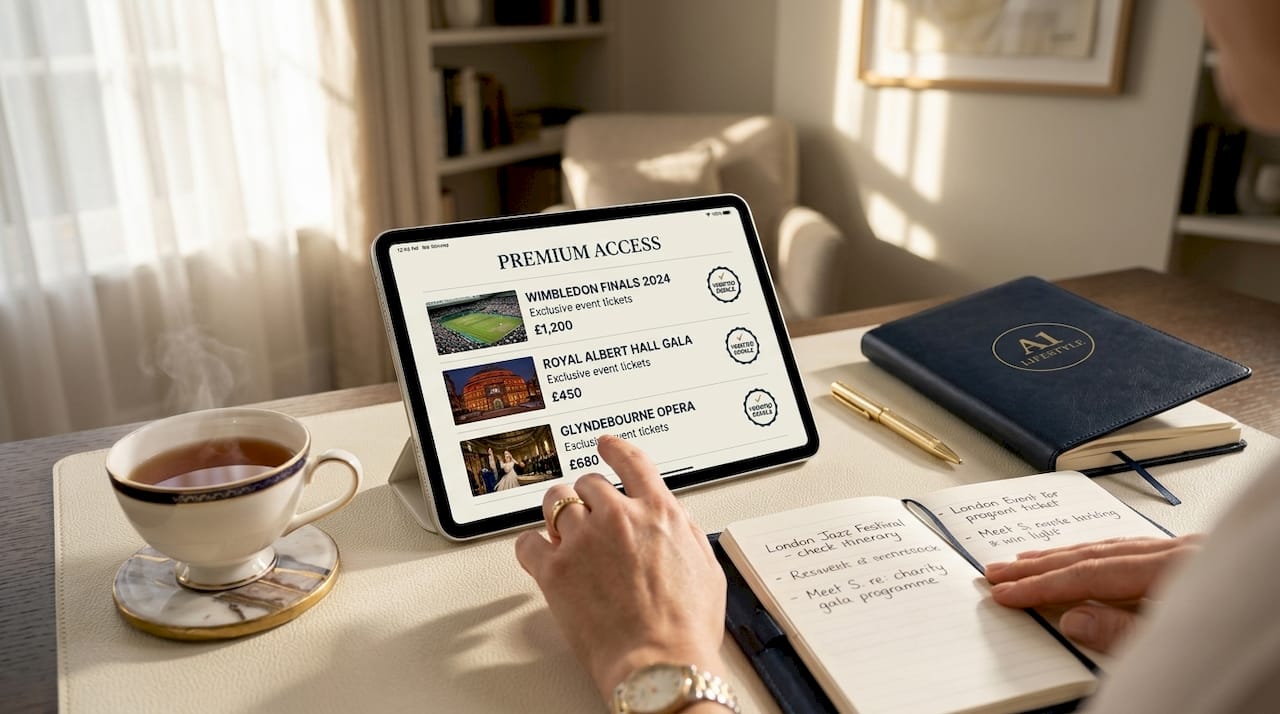
Ticketmaster's Face Value Exchange caps resale prices at the original total price paid, including all fees. Tickets listed above that threshold are rejected. The platform also cancels the seller's original ticket and reissues a clean one to the buyer, which is the most reliable fraud prevention method available on any resale platform today.
StubHub operates differently. Rather than capping prices, it offers a FanProtect guarantee that covers buyers with up to 120% of the purchase price as a refund or replacement if a ticket turns out to be invalid. This was used successfully by buyers of BTS Stanford Stadium tickets in 2026, where sold-out shows created high demand on the secondary market.
Pricing transparency is now a legal requirement in the United States. The FTC's Fees Rule mandates that platforms display the total ticket price including all fees upfront. StubHub settled with the FTC and agreed to pay $10 million in refunds to consumers after charging fees that were not clearly disclosed. That settlement means buyers now see the real cost before committing. Understanding how seating categories affect total costs helps you budget accurately across different platforms.
Key differences between the main platforms:
- Ticketmaster Face Value Exchange: Price capped at original paid amount; ticket cancelled and reissued; strongest fraud prevention
- StubHub: Market pricing with FanProtect guarantee; up to 120% refund for invalid tickets; wide inventory
- Official event resale windows: Platforms like those used for the 2026 EuroLeague Final Four offer price-capped resale with cancellation and transfer guarantees tied directly to the original ticket provider
Pro Tip: Always check whether the event you want has an official resale tab on the original booking platform before going to a third-party site. Official resale is always the safer starting point.
Why do tickets reappear after an event sells out?
"Sold out" does not mean no tickets remain. Secondary markets rely on ongoing cancellations, delayed releases, and buyer returns, making sold-out status dynamic rather than fixed. Knowing why inventory reappears helps you time your search correctly.
The most common reasons tickets become available after a sell-out:
- Payment failures: A buyer's card is declined after a hold, and the ticket returns to inventory automatically.
- Order cancellations: Buyers cancel within the permitted window, releasing seats back to the platform.
- Sponsor and partner holds: A significant portion of tickets at major events is held by sponsors, media partners, and venue operators. These are released back to the public in the final days before the event.
- Presale overstock: Fan club or credit card presales sometimes leave unsold allocations that return to general sale.
- Verified fan cancellations: Buyers who pass a verified fan ballot but do not complete purchase within the window lose their allocation.
The best time to check for returned tickets is in the final 72 hours to one week before the event. Insiders consistently identify this window as the period when sponsor holds and last-minute cancellations push the most inventory back into the market. For the KATSEYE and BTS tours in 2026, buyers who checked resale platforms daily in the final week found face-value or near-face-value seats that had not been available for months.
Setting price alerts on platforms like StubHub or using last-minute ticket strategies reduces the effort of repeated manual checking. Flexibility with dates also improves your odds. If an artist plays multiple nights at the same venue, the second or third night typically has more inventory movement than the opening night.
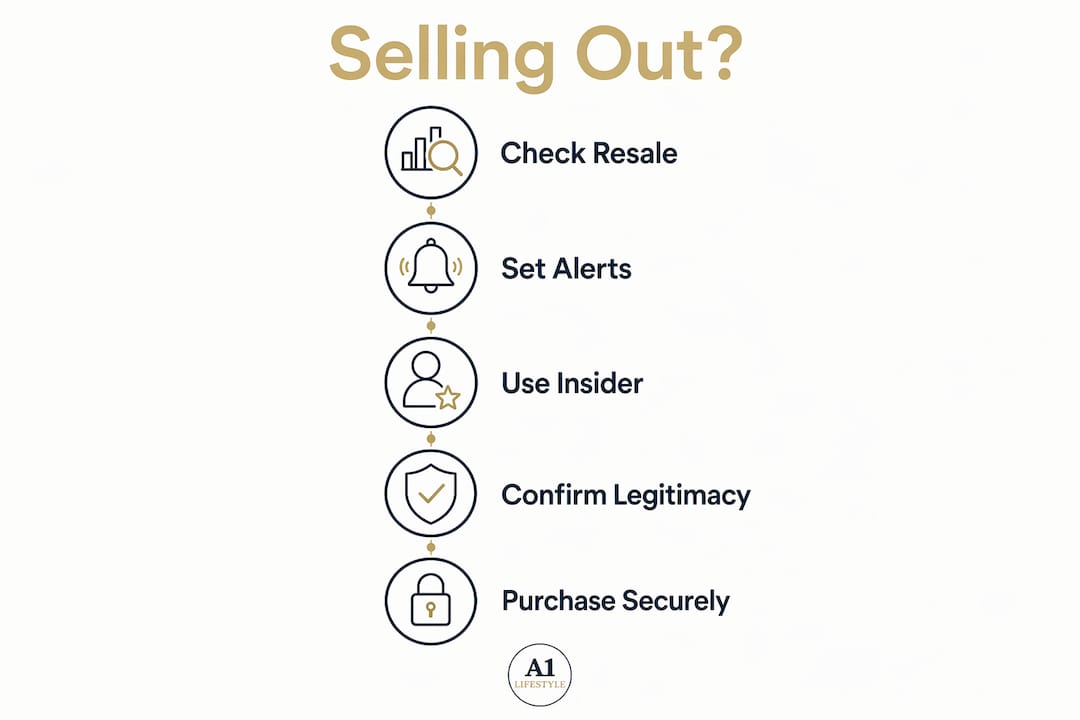
Pro Tip: Check the official event page's resale tab at the same time as third-party platforms. Official resale inventory and third-party inventory do not always overlap.
What exclusive insider access programmes exist for superfans?
Insider access programmes give registered fans the ability to purchase tickets before the general public sale opens. These programmes exist specifically to reduce the advantage that resale bots and scalpers hold over genuine fans.
Spotify Reserved is the most significant recent addition to this space. Spotify identifies superfans based on subscription status and listening behaviour, then holds a limited allocation of tickets for them with a purchase window of approximately one day. Live Nation is the confirmed launch partner. The programme gives Premium subscribers access to tickets before they reach the general onsale, which means lower prices and better seat selection. Exclusive concert access in 2026 covers how these programmes are being used across major tours this year.
Artist fan clubs operate on a similar model. Verified members receive presale codes by email, typically 48 to 72 hours before the public onsale. Fan club presales are available for artists including Taylor Swift, Coldplay, and Bruce Springsteen, among many others. Membership fees vary, but the cost is almost always lower than the premium paid on the secondary market for the same seats.
Credit card presales through American Express, Barclays, and Citi are another reliable route. These are not exclusive to superfans but do provide a meaningful head start on general sale. Registering for multiple presale options simultaneously increases the probability of securing tickets at face value.
Key steps to access insider programmes:
- Register for the artist's official fan club or newsletter at least one month before a tour announcement
- Maintain an active Spotify Premium subscription and stream the artist regularly to build your superfan profile
- Check how exclusive event access is arranged for a detailed breakdown of reservation systems
- Note ticket limits per account, which are typically two to four per presale code, to plan purchases accordingly
- Set calendar reminders for presale windows, which often open and close within hours
Pro Tip: Insider programmes like Spotify Reserved help superfans avoid inflated secondary market prices while securing fair access. Registering early is the single most effective step you can take before a major tour announcement.
How do you avoid scams when buying sold-out tickets?
Ticket fraud is concentrated in the secondary market, particularly on social media and informal peer-to-peer platforms. The safest purchases come from authorised resale channels tied directly to the original ticket provider. Metallica, for example, directs fans explicitly to Ticketmaster's authorised fan-to-fan platform and warns against all other resale routes for their Sphere shows.
Common scam formats to recognise:
- Screenshot fraud: A seller sends a screenshot of a ticket as proof of purchase. Screenshots cannot be scanned and are worthless as proof of ownership.
- Social media listings: Facebook Marketplace, Instagram, and X are not verified platforms. There is no buyer protection and no recourse if the ticket is fake.
- Duplicate tickets: A seller sells the same ticket to multiple buyers. Only the first person to scan it gains entry.
- Peer-to-peer payment apps: Paying via PayPal Friends and Family, Venmo, or bank transfer removes all chargeback rights. Use a credit card through a verified platform instead.
"Resale options vary by location. Tickets may only be resold on Ticketmaster's authorised fan-to-fan platform." — Metallica official guidance for Sphere shows, 2026.
The event ticket purchase checklist covers the full verification process for any ticket purchase. The core rule is straightforward: if the platform does not offer a named buyer guarantee and a clear refund policy, do not use it. Verified platforms cancel and reissue tickets, which makes duplication impossible. That single feature separates legitimate resale from fraud.
Key takeaways
Buying sold-out event tickets safely requires using verified resale platforms, monitoring inventory in the final week before the event, and registering for insider access programmes before public sales open.
| Point | Details |
|---|---|
| Use official resale platforms | Ticketmaster Face Value Exchange and StubHub offer verified listings with buyer guarantees. |
| Check inventory in the final week | Sponsor holds and cancellations release the most tickets in the 72 hours to one week before the event. |
| Register for insider programmes | Spotify Reserved and artist fan clubs provide access before public onsales at face-value prices. |
| Avoid unverified sellers | Never buy from social media or accept screenshots; use platforms with named refund policies only. |
| Understand total costs | The FTC's Fees Rule requires platforms to display all fees upfront, so compare total prices across platforms. |
What actually works when you need a sold-out ticket
After years of tracking how people actually secure tickets to sold-out events, the pattern is consistent. The buyers who succeed are not the ones who spend the most. They are the ones who act earliest and check most frequently.
Official resale beats every informal channel, without exception. The verification and reissuance process on platforms like Ticketmaster's Face Value Exchange removes the primary risk of fraud. Social media listings feel convenient, but they carry no protection and a high rate of fraud. The price difference rarely justifies the risk.
Insider programmes are underused. Most fans do not register for artist fan clubs or maintain their Spotify superfan status until after a tour is announced. By then, presale codes are already distributed. The window to act is months before the announcement, not days after it.
Timing is the variable most buyers underestimate. The final 72 hours before a major event consistently produce more available inventory than the weeks prior. Sponsor allocations return, payment failures release seats, and last-minute cancellations create openings. Checking how ticket allocation works explains exactly why this happens and how to position yourself to benefit.
The buyers who pay the highest premiums are those who wait until the day of the event and accept whatever price the market sets. The buyers who pay the least are those who registered early, checked consistently, and used verified platforms throughout.
— Tony
How A1lifestyle can help you access sold-out events
A1lifestyle has over 30 years of experience securing tickets and exclusive access to sold-out events worldwide. Whether you need VIP concert access, a private box at a Premier League match, or tickets to a sold-out festival like Lovebox, the A1lifestyle concierge team handles the entire process.
A1lifestyle works directly with verified ticket platforms and venue partners to source tickets that are no longer available through standard channels. The service covers concerts, sports events, boxing, and festivals, with personalised support from initial enquiry through to event day. For fans who want guaranteed access without the uncertainty of the secondary market, A1lifestyle provides a direct route to the experience. Contact the team through the concierge service page to discuss your requirements.
FAQ
What is the safest way to buy sold-out tickets?
The safest method is to use an official resale platform such as Ticketmaster's Face Value Exchange or StubHub, both of which verify listings and offer buyer guarantees. Avoid purchasing from social media or unverified sellers, as these carry no buyer protection.
When is the best time to find tickets for a sold-out show?
The final 72 hours to one week before the event is the most productive window. Sponsor holds, payment failures, and last-minute cancellations release inventory back into the market during this period.
What is Spotify Reserved and how does it work?
Spotify Reserved is a programme that holds concert tickets for Premium superfans based on subscription status and listening behaviour. Eligible users receive a purchase window of approximately one day before the general public sale opens, giving access to tickets at face-value prices.
How do I know if a resale ticket is legitimate?
A legitimate resale ticket comes from a platform that cancels the original ticket and reissues a new one to the buyer. If a seller offers a screenshot or asks for payment via a peer-to-peer app, the ticket is not verified and the purchase carries a high fraud risk.
Are resale ticket fees always disclosed upfront?
The FTC's Fees Rule, effective May 2025, requires platforms operating in the United States to display the total ticket price including all fees before checkout. StubHub paid $10 million in refunds after failing to meet this standard, and platforms are now legally required to show full costs upfront.