
TL;DR:
- Exclusive stakeholder events are carefully designed to foster meaningful connections through curated guest lists, participatory experiences, and strategic follow-up. Success hinges on intentional guest selection, immersive formats, emotional peaks, and personalized post-event engagement to create lasting professional impact. The key to making events truly exclusive lies in the quality of relationships and moments, not just luxurious venues or scale.
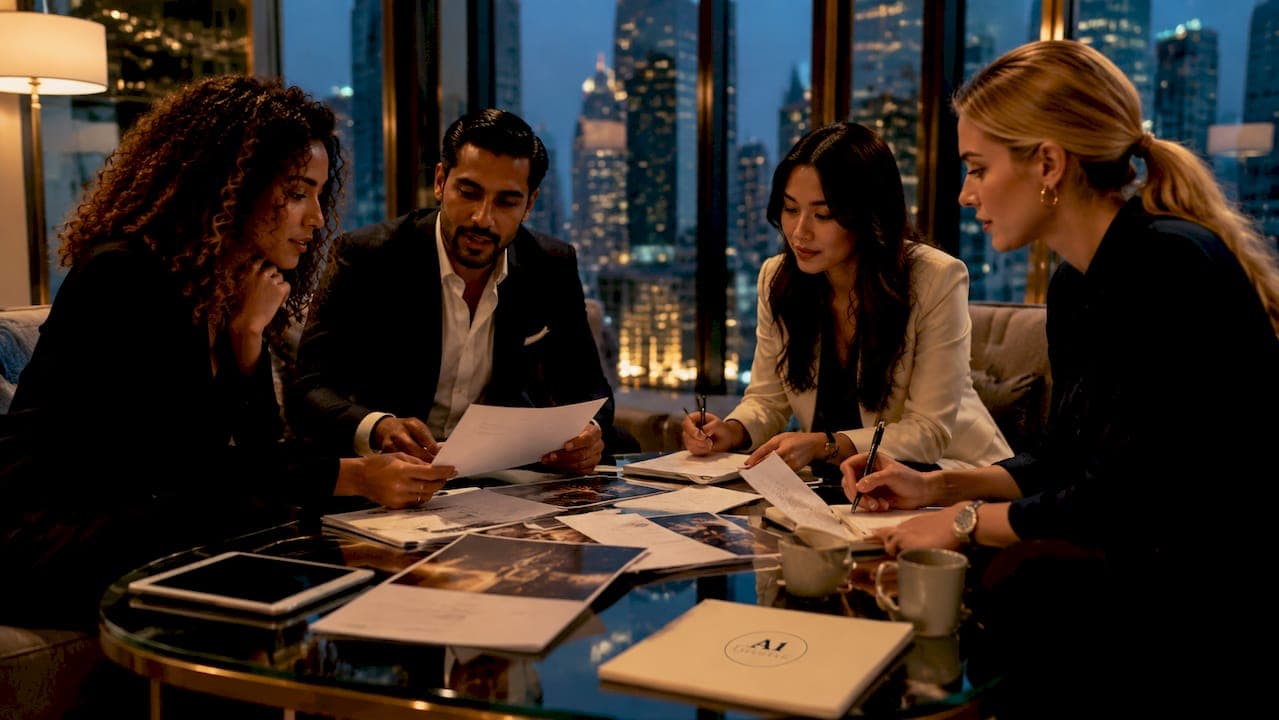
Exclusive stakeholder events are purpose-built gatherings designed to create meaningful professional connections through curated access, controlled guest lists, and participatory formats. To impress stakeholders with exclusive events, you need more than a prestigious venue. You need deliberate design across three pillars: who attends, what they experience, and how you follow up. Audience engagement is the critical success factor for 49% of marketers running high-stakes events. That figure tells you one thing clearly: the room matters more than the room's décor.
What are the essential components to host exclusive gatherings?
The foundation of any exclusive stakeholder event is guest curation. Peer vetting for seniority and relevance is the single most important factor in perceived exclusivity. Social proof from peer attendance drives more value than any luxury element you can add. When a CFO looks around the room and sees other CFOs, the event has already succeeded on one level.
The table below outlines the core requirements for a well-structured exclusive event:
| Component | Recommended Standard |
|---|---|
| Guest list size | 8–15 for roundtables; up to 30 for dinners |
| Host profile | Peer-level or credible industry figure |
| Event format | Participatory: roundtable, workshop, or curated dinner |
| Thematic framing | Category-level industry challenge, not a product pitch |
| Venue type | Private, access-controlled, and contextually relevant |
Beyond the guest list, the host's credibility shapes everything. Invitations from peer-level hosts significantly improve both acceptance rates and in-room engagement. A host who frames the event around a shared industry problem, rather than a brand agenda, creates the psychological safety that makes senior executives willing to participate openly.
- Select guests based on job function, seniority, and relevance to the event's theme
- Avoid mixing seniority levels too broadly, as it suppresses candid conversation
- Frame the invitation around a specific industry challenge, not a company announcement
- Use a credible co-host or advisory figure to add independent weight to the gathering
Pro Tip: Write the invitation from the host's personal perspective, not the company's. A message that reads as peer-to-peer outperforms a corporate invite by a significant margin.
How do you design immersive experiences that engage stakeholders?
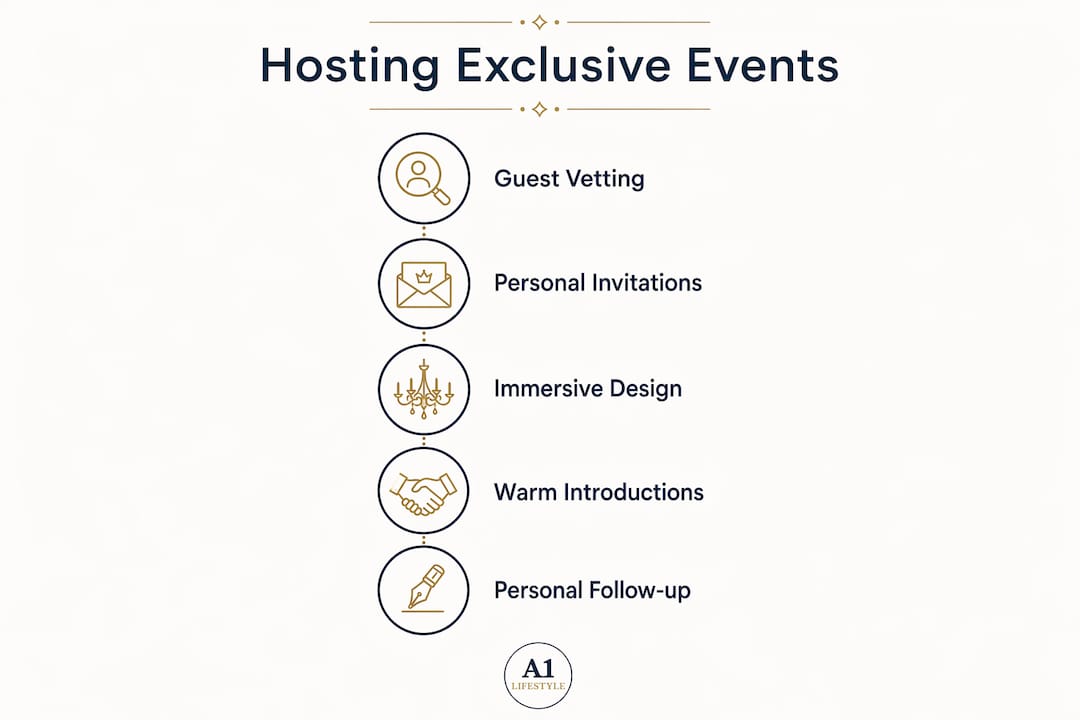
Immersive event design is the practice of creating experiences that participants actively shape, rather than passively observe. Participative formats yield higher satisfaction than passive spectating because giving attendees agency converts a presentation into an experience. That distinction is the difference between an event people attend and one they remember.
The psychological principle most relevant here is the peak-end rule. People remember an event's emotional peak and its ending most vividly, not the middle. This means you should design at least one deliberate high point and invest heavily in the final ten minutes. A weak close undoes a strong programme.
Practical formats that create genuine emotional engagement include:
- Roundtable discussions with a provocative opening question that requires personal opinion, not corporate talking points
- Interactive installations tied to the event's theme, such as a live data visualisation of an industry trend attendees can contribute to
- Curated dining experiences where seating is arranged to maximise specific one-to-one conversations
- Surprise access moments, such as a private backstage tour or a personalised concert experience, that create a shared memory no attendee could replicate independently
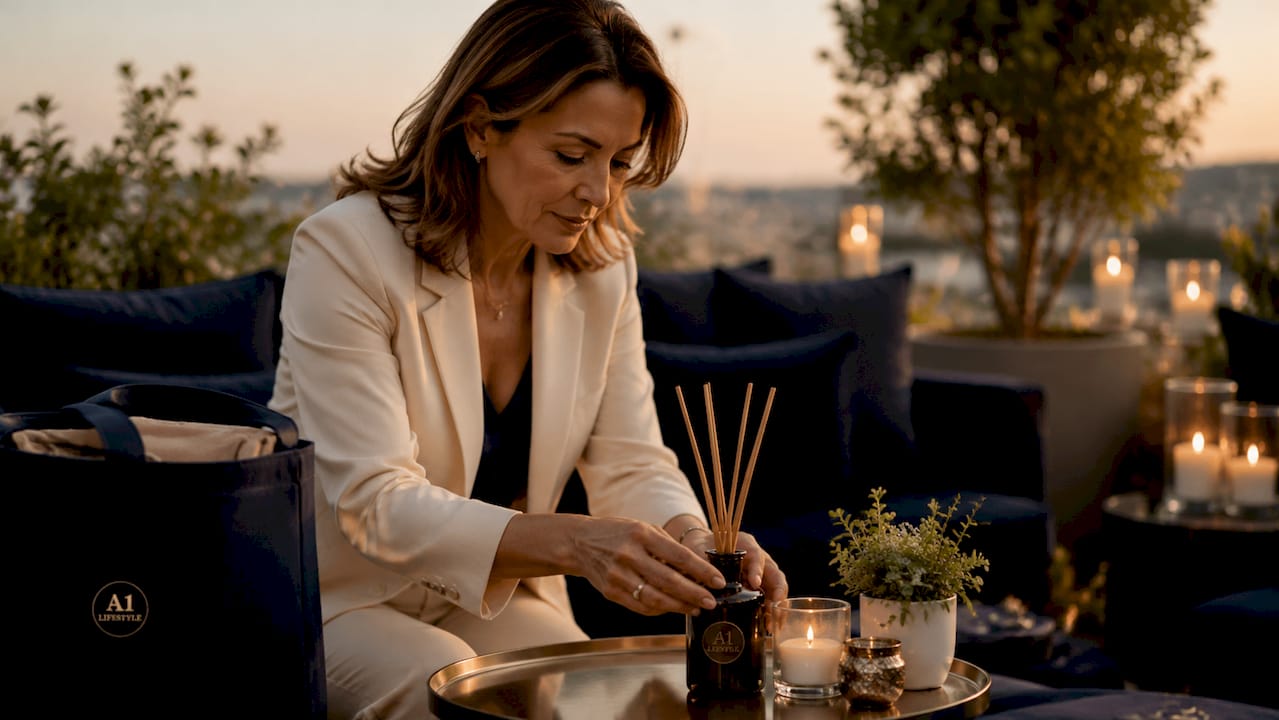
Multi-sensory engagement reinforces memory. Scent, sound, and physical environment all contribute to how strongly an experience is encoded. A private box at a Premier League fixture, for example, combines the visceral energy of live sport with the intimacy of a controlled guest environment. That combination is difficult to replicate in a conference room.
Pro Tip: Plan your event's emotional peak for roughly 75% of the way through the programme. This gives you time to build to it and still close on a high note.
What are best practices for meaningful stakeholder networking?
Meaningful networking at exclusive events does not happen by accident. Attendees crave connection over content, and the best events are designed to enable conversations and serendipitous encounters rather than fill every minute with structured content. The host's role is to facilitate, not to present.
Here are the core practices for creating high-quality connection at exclusive gatherings:
- Limit the guest list to 8–15 people for roundtable formats. Smaller groups optimise personal networking and prevent the fragmentation that occurs in larger rooms. Above 20 people, conversations cluster and the sense of exclusivity dilutes.
- Brief the host on every guest before the event. The host should know each attendee's current priorities, recent achievements, and relevant connections. This allows for warm, specific introductions rather than generic ones.
- Remove product pitching from the agenda entirely. Overt product pitching damages perceived exclusivity. Category-level discussions allow solutions to emerge naturally from conversation, which is far more persuasive than a formal presentation.
- Use structured conversation starters at the table. A single, well-chosen question placed on each seat card can open a discussion that runs for forty minutes without any facilitation.
- Create a psychologically safe environment. This means no recording, no live social media, and a clear Chatham House rule where appropriate. Senior executives speak more candidly when they know the conversation stays in the room.
- Allow unstructured time. Build at least 20 minutes of unscheduled time into the programme. The conversations that happen in the margins are often the most valuable ones.
The host's ability to make warm, specific introductions is the single highest-leverage skill at any exclusive event. A host who can say "You two should speak because you're both dealing with the same supply chain issue" creates a connection that no amount of networking time alone would generate.
How to maximise impact through strategic event follow-up
Post-event follow-up is the most critical factor in measuring event ROI and sustaining stakeholder relationships. Personalised summaries and meaningful gestures maintain engagement well beyond the event date. Most organisations treat follow-up as an afterthought. That is the most common and most costly mistake in exclusive event planning.
Effective follow-up treats the event as the beginning of a relationship, not its conclusion. Practical methods include:
- Personalised event summaries sent within 48 hours, referencing specific conversations each attendee had rather than a generic recap
- Curated reading or research tied to the discussion topics, delivered as a thoughtful follow-on rather than a marketing email
- A physical gift or memento that references a specific moment from the event, reinforcing the emotional memory
- A private follow-up call or message from the host to each attendee within one week, acknowledging their contribution to the discussion
The most common follow-up mistake is speed without personalisation. Sending a generic "thank you for attending" email within an hour signals that the event was transactional. Sending a specific, considered message within 48 hours signals that the attendee mattered.
Pro Tip: Assign one team member to take discreet notes on key conversation moments during the event. These notes are the raw material for genuinely personalised follow-up communications.
Key takeaways
Impressing stakeholders with exclusive events requires deliberate guest curation, participatory experience design, and personalised follow-up to create lasting professional impact.
| Point | Details |
|---|---|
| Guest curation is the foundation | Vet attendees by seniority and relevance; peer presence drives perceived value more than venue quality. |
| Keep groups small | Limit roundtable formats to 8–15 guests to enable candid, high-quality conversation. |
| Design for emotional peaks | Apply the peak-end rule: plan a deliberate high point and invest in a strong close. |
| Remove the product pitch | Frame events around shared industry challenges; solutions emerge naturally from peer dialogue. |
| Follow up with specificity | Send personalised summaries within 48 hours referencing individual conversations, not generic recaps. |
What i have learned about exclusive events after years in the industry
The biggest mistake I see corporate teams make is confusing luxury with exclusivity. A Michelin-starred venue and a premium wine list do not make an event exclusive. What makes it exclusive is who is in the room and whether they feel the gathering was designed specifically for them.
The second mistake is treating the event as the end goal. Every exclusive gathering should be a step in a longer relationship. The follow-up is where the real work happens, and most organisations abandon it entirely after the event date passes.
What actually works, in my experience, is radical specificity at every stage. A guest list of twelve people who all share a genuine professional challenge. A host who knows every attendee personally. A programme that creates one genuinely surprising moment. And a follow-up that references something specific each person said. That combination is what turns a corporate event into something a stakeholder mentions six months later.
The psychology of event memory supports this entirely. Memory is shaped by emotional peaks, not by timelines or production values. You do not need a bigger budget. You need a sharper focus on the moments that matter.
— Tony
How A1lifestyle can help you host exclusive stakeholder events
A1lifestyle has over 30 years of experience arranging exclusive access to the world's most sought-after events, from VIP concert experiences to private hospitality at Premier League fixtures. For corporate executives and event planners, that network translates directly into the kind of access that creates genuine stakeholder impact.
Whether you need a private box at an Arsenal match, access to a sold-out concert for a key client group, or a fully managed concierge service that handles every detail from guest invitations to post-event follow-up, A1lifestyle provides the infrastructure for exclusive gatherings that stakeholders remember. The team works with a global network to source access that is simply not available through standard channels, giving your event the one thing no budget alone can buy: genuine rarity.
FAQ
What is the ideal guest list size for an exclusive stakeholder event?
The ideal size for a roundtable or executive dinner is 8–15 guests. This range supports meaningful conversation without the fragmentation that occurs in larger groups.
How do you make a stakeholder event feel genuinely exclusive?
Exclusivity comes from guest curation, not venue cost. Vetting attendees by seniority and relevance, and framing the event around a peer-level challenge, creates the perception of genuine exclusivity.
Why should you avoid product pitching at exclusive events?
Overt pitching damages the trust and openness that make exclusive events valuable. Category-level discussions allow your solutions to surface naturally, which is more persuasive and preserves the event's credibility.
What is the peak-end rule and how does it apply to event planning?
The peak-end rule is the psychological finding that people judge an experience by its emotional high point and its ending. Event planners should design one deliberate peak moment and close the programme strongly to maximise lasting positive memory.
How soon should you follow up after an exclusive stakeholder event?
Send personalised follow-up communications within 48 hours. Reference specific conversations each attendee had to signal that the event was designed for them, not a generic audience.