

TL;DR:
- Verified tickets are digitally authenticated, linked to a specific buyer account, and prevent counterfeiting in 2026. They utilize rotating barcodes, device binding, and screenshot blocking to ensure security and validate ownership. However, meeting event-specific entry rules and completing transfers are essential for guaranteed access.
A verified ticket is an event ticket whose authenticity has been digitally confirmed, binding it to a specific buyer account and guaranteeing valid entry. The term covers both primary and resale tickets, and understanding the verified ticket definition matters more in 2026 than ever before. Counterfeit tickets remain a serious problem at high-profile events, from Premier League fixtures to major music festivals. Knowing what verification actually means, and what it does not, is the difference between walking through the gate and being turned away.
What does verified ticket mean in modern ticketing?
A verified ticket is defined as a digitally authenticated event ticket that has passed platform checks confirming its origin, ownership, and validity. The verification process uses encryption technology to tie the ticket to a specific account and device, making duplication effectively impossible. This is the industry standard for secure event access in 2026.
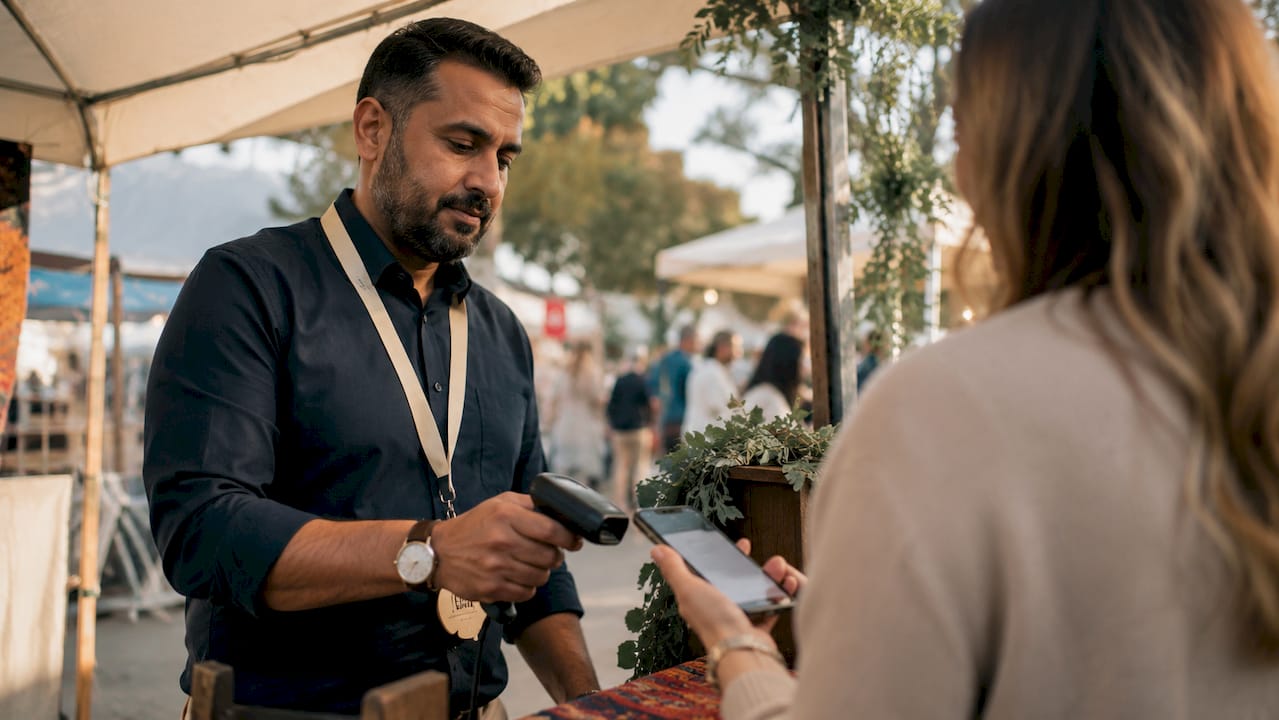
The core purpose of verification is fraud prevention. Counterfeit paper tickets and screenshot copies have caused widespread entry denial at sold-out events for years. Digital verification removes that risk by replacing static barcodes with dynamic, encrypted ones that cannot be copied.
Verification also confirms the chain of ownership. Whether you bought directly from a primary platform or through a resale marketplace, a verified ticket carries a digital record showing it originated from a legitimate source. That record is what gives buyers confidence.
How does a verified ticket work technically?
Rotating, encrypted digital barcodes refresh every few seconds, preventing counterfeiting and tying each ticket to a specific smartphone device. This system, used by platforms including those running SafeTix technology, eliminates the duplicate ticket risk where multiple buyers hold identical barcodes. That duplication was historically one of the leading causes of entry denial at major events.
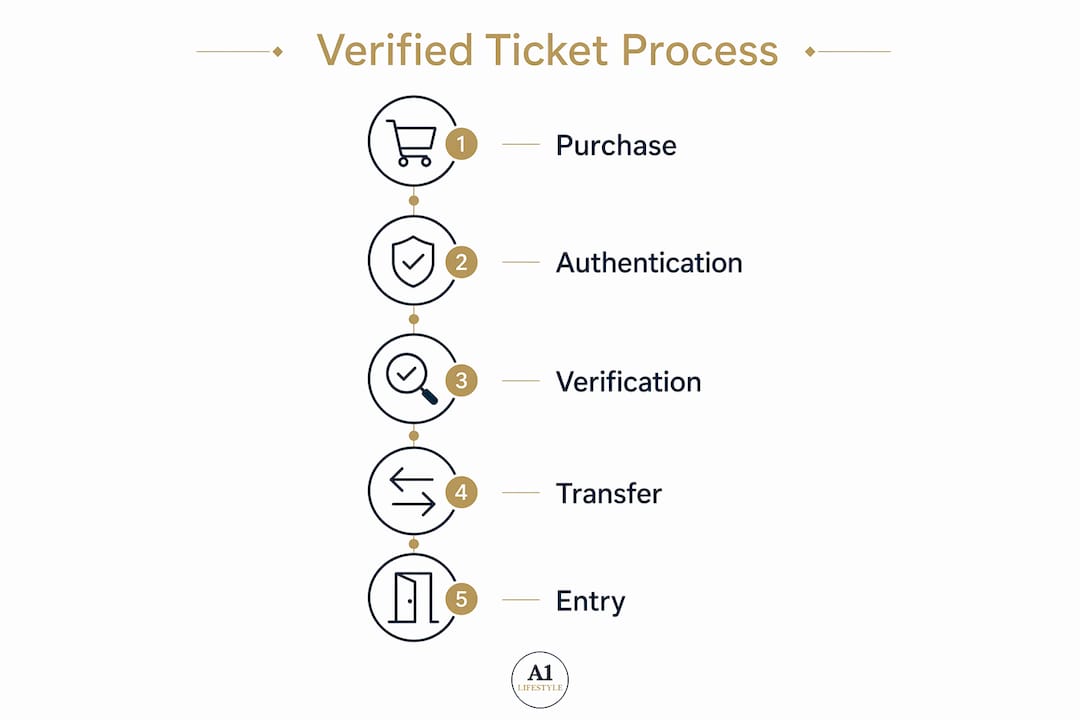
Device binding is the second layer of security. The ticket lives inside an official app on your phone and cannot be transferred to another device without going through the platform's own transfer process. Screenshots and PDF copies are blocked entirely. The barcode displayed on a screenshot is already expired by the time someone tries to scan it.
Key technical security features include:
- Rotating barcodes that change every few seconds, making static copies useless
- Device binding that locks the ticket to one authorised smartphone
- Screenshot blocking built into official apps to prevent image-based fraud
- Encrypted transfer protocols that log every ownership change on the platform
- Account authentication requiring login before the barcode becomes visible
Pro Tip: Open your tickets in the official app on the day of purchase, not on the day of the event. This lets you catch any sync errors or account mismatches while there is still time to resolve them.
What does 'verified' mean on resale and secondary market tickets?
Verified resale means the ticket has been authenticated by a trusted intermediary that confirms the original purchase and manages seller vetting. The platform acts as guarantor, not the seller. This shifts the fraud risk from the buyer to the marketplace operator, which is a significant protection.
The resale verification process works differently from a primary purchase. When a seller lists a ticket on a verified resale marketplace, they must link their account and the actual ticket before the listing goes live. Verified platforms prevent 'spec listing' by requiring sellers to own the ticket before selling it. Spec listing, where sellers list tickets they do not yet hold, is one of the biggest fraud risks in the secondary market.
Once a sale completes, the platform reissues a brand new digital ticket directly to the buyer's account. The original ticket is cancelled. This means the buyer receives a unique barcode that has never been used, not a forwarded copy of the seller's ticket.
| Resale verification step | What it confirms |
|---|---|
| Seller account linking | Seller owns the ticket before listing |
| Platform authentication | Ticket origin traced to original purchase |
| Ticket reissue to buyer | New unique barcode generated for buyer |
| Transfer completion check | Buyer's account receives and activates ticket |
| Barcode release timing | Barcode becomes active close to event date |
A ticket is fully verified only when the transfer path, official app login, account identity, barcode release timing, and event entry rules all align. A verified badge alone is not sufficient for guaranteed entry.
What are the practical benefits and limitations of verified tickets?
The primary benefit of a verified ticket is the elimination of counterfeits. You receive a unique, authenticated ticket that no other buyer holds. That guarantee removes the most common cause of entry denial at sold-out events.
Verified tickets also carry buyer protection. If a verified ticket fails at the gate through no fault of your own, reputable platforms provide a replacement or refund. That protection does not exist with unverified tickets bought through informal channels.
The limitations are less obvious but equally important:
- Verification confirms authenticity, not eligibility. Verified tickets may be invalid for entry if event-specific rules such as age limits or VIP presence requirements are unmet. Always check the event's entry conditions separately.
- Account identity must be consistent throughout. Account identity mismatch occurs when buyers use different email addresses during transfer and at entry, causing transfer limbo. A ticket can be valid and verified but completely unusable because of a login error.
- Transfer must be completed before the event. A ticket sitting in a pending transfer state is not accessible at the gate.
- Barcode timing matters. Some platforms release the final barcode only 24–48 hours before the event. Checking earlier may show a placeholder, not the live barcode.
Pro Tip: Confirm the event's specific entry rules, including age restrictions and any identity verification requirements, at the same time you confirm your ticket's authenticity. These are two separate checks.
How to safely purchase and verify tickets in 2026
Official resale marketplaces reissue brand new digital tickets directly to buyers, making this the safest method for securing valid event entry. Buying through the original venue's ticketing partner or a platform with a formal buyer guarantee removes most of the risk.
After purchase, verify tickets the same day in the official app. Delaying this check until event day causes problems that are nearly impossible to fix in time. The steps below apply to any verified ticket purchase.
Post-purchase verification checklist:
- Log into the official app using the exact email address you used to buy the ticket
- Confirm the ticket appears in your account, not in a pending transfer state
- Check that the event details, date, and seat information are correct
- Note the barcode release date if the live barcode is not yet visible
- Review the event's entry rules for any eligibility conditions beyond ticket ownership
For buyers seeking access to high-demand or sold-out events, specialist services with established industry relationships offer an alternative route. A1lifestyle has over 30 years of experience sourcing verified tickets for Premier League matches, major festivals, and exclusive events worldwide. Their event ticket purchase checklist covers every step of the verification process in detail.
Buyers should also understand the different ticket categories available before purchasing. The types of event tickets explained guide clarifies the distinctions between primary, resale, and hospitality tickets, all of which carry different verification processes.
Key takeaways
A verified ticket confirms authenticity and ownership but does not guarantee entry unless account identity, transfer completion, and event eligibility conditions are also met.
| Point | Details |
|---|---|
| Verified ticket definition | A digitally authenticated ticket tied to a specific buyer account, confirming legitimate origin. |
| Rotating barcode technology | Barcodes refresh every few seconds, blocking screenshot copies and duplicate entry attempts. |
| Resale verification process | Platforms reissue a new unique ticket to the buyer, cancelling the seller's original. |
| Account identity consistency | Use the same email throughout purchase, transfer, and entry to avoid access denial. |
| Eligibility is separate from authenticity | A verified ticket does not override age limits, VIP rules, or other event entry conditions. |
Verified tickets: what I have learned after three decades in events
The technology behind verified tickets has improved dramatically. Rotating barcodes and device binding have made the old paper counterfeit problem largely obsolete. What has not changed is buyer behaviour.
The most common mistake I see is buyers treating the verified badge as the end of the process. They buy, they see the tick, and they stop checking. Then they arrive at the gate with a ticket stuck in transfer limbo because they used a different email address at checkout than the one linked to their app account. The ticket is genuine. The platform did everything correctly. The buyer simply did not complete the transfer.
The second mistake is ignoring event-specific entry rules. A verified ticket for a VIP hospitality package at a Premier League match may require the named ticket holder to be present. Sending a friend with your phone does not satisfy that condition. Verification confirms the ticket is real. It does not confirm you are eligible to use it.
My advice is straightforward. Buy from platforms with formal buyer guarantees. Open the app on the day of purchase. Use one email address for everything. And read the event's entry conditions before you leave the house, not at the turnstile.
— Tony
Secure your next event with A1lifestyle
A1lifestyle sources verified tickets for some of the most sought-after events in the world, including Premier League matches, major festivals, and exclusive hospitality experiences. With over 30 years of industry expertise and a global network, A1lifestyle guarantees ticket authenticity alongside personalised concierge support.

Whether you are looking for VIP event access or standard verified entry to a sold-out show, A1lifestyle handles the sourcing, verification, and logistics. Every ticket comes with the assurance of a team that has been placing clients at the world's biggest events for three decades. Contact A1lifestyle directly to discuss your requirements and secure your place at the events that matter most to you.
FAQ
What does a verified ticket mean?
A verified ticket is a digitally authenticated event ticket confirmed by a platform or marketplace as genuine and legitimately sourced. It is tied to a specific buyer account and cannot be duplicated.
Does a verified ticket guarantee entry to an event?
A verified ticket confirms authenticity but does not guarantee entry if event-specific conditions such as age limits or VIP eligibility requirements are not met. Buyers must check entry rules separately.
How do rotating barcodes prevent ticket fraud?
Rotating barcodes refresh every few seconds and are bound to a specific device, making screenshot copies and static duplicates useless at the gate.
What is the safest way to buy verified resale tickets?
Buying through official resale marketplaces that reissue brand new digital tickets directly to the buyer's account is the safest method. This cancels the seller's original ticket and eliminates duplicate entry risk.
What causes a verified ticket to become unusable?
The most common causes are account identity mismatches during transfer, incomplete transfer processes, and failure to meet event-specific eligibility conditions. Always use the same email address throughout the purchase and transfer process.