
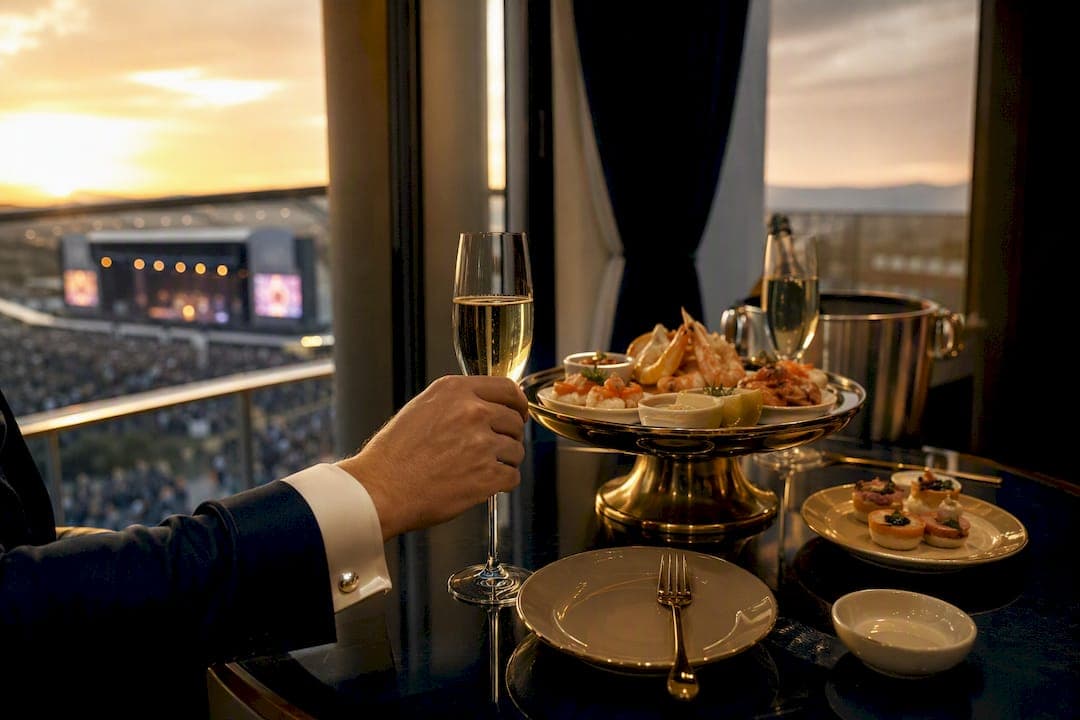
Events reliably strengthen client relationships when they're designed with clear intent and followed up properly. Loosely organised drinks with no purpose rarely move the needle, but a well-run appreciation dinner or a shared night at a sold-out concert can shift a client from satisfied to genuinely loyal within a single evening.
The highest-impact formats worth your budget are:
- Intimate appreciation experiences with a small group of guests
- Experience-led hospitality: concerts, sport, cultural access
- Targeted educational workshops for specific client problems
- Structured networking roundtables with a clear guest mix
Pro Tip: Pick one client segment and one event format this week rather than trying to build a full events calendar from scratch. A single well-executed dinner teaches you more than extensive theoretical planning.
Key Takeaways
Events strengthen client relationships most reliably when they combine a clear goal, an engineered peak moment, and a personalised follow-up sequence within 48 hours.
| Point | Details |
|---|---|
| Match format to goal | Choose appreciation dinners for recognition and experience-led hospitality for emotional loyalty and referrals. |
| Engineer the peak and ending | Script a memorable moment and a warm closing gesture into the run-of-show deliberately. |
| Follow up within 48 hours | Send a short, personal note referencing a specific conversation, not a generic thank-you message. |
| Measure with real KPIs | Track attendance, referral conversations, and pipeline value attributable to the event. |
| Use specialist access when needed | A1lifestyle provides VIP hospitality, private boxes, and concierge planning for sold-out events and corporate bookings. |
Table of Contents
- How do events build client relationships?
- Which event types work best for your clients?
- What makes an event genuinely memorable?
- What activities actually work at client events?
- What logistics need sorting before the invitations go out?
- How do you host an event so relationships actually deepen?
- What should follow-up look like after the event?
- How do you measure whether an event actually worked?
- What goes wrong with client events, and how do you avoid it?
- What actually moves a client, beyond the obvious?
- How A1lifestyle helps you run client events that land
- Sources
- FAQ
How do events build client relationships?
Shared experiences build trust faster than emails, calls, or quarterly reviews ever will. When a client remembers standing beside you at a Premier League match or sharing a table at an intentionally curated dinner, that memory carries weight that a well-written newsletter simply cannot match.
Experience-focused events, think intimate dinners or exclusive access to sport and culture, create emotional loyalty and a sense of pride in the relationship, whereas standard appreciation events mainly express gratitude. Both matter, but the experiential end of the spectrum tends to generate stronger referral behaviour because clients want to talk about what they did, not just who thanked them.
The commercial case is straightforward:
- Retention: clients who feel genuinely valued renew and expand contracts more readily.
- Referrals: people talk about experiences far more than they talk about service reviews.
- Upsell signals: relaxed settings reveal needs clients rarely raise in formal meetings.
- Client insight: informal conversation surfaces concerns that structured feedback forms miss.
Seminar-style events, the kind built around a lectern and a slide deck, consistently underperform on referrals. Experience designers advise mixing education, entertainment, aesthetics, and a touch of escapism to create moments guests actually want to share with others.
Pro Tip: If you wouldn't want to bring your own partner or a close friend to the event, don't expect your client to want to bring theirs either. That instinct is a useful filter for whether a format is too stiff.
Which event types work best for your clients?
Different goals call for different formats, and mismatching the two is the most common reason client events fall flat. A formal seminar for a client who wants adventure will underwhelm; a rowdy hospitality box for a risk-averse compliance officer will backfire.
- Client appreciation dinners: goal is recognition and warmth; best for long-standing accounts; example is a seated dinner with a short, personal toast.
- Experience-led hospitality: goal is emotional loyalty and shared memory; best for high-value or growth accounts; example is a private box at a Premier League fixture.
- Educational workshops: goal is demonstrating expertise; best for prospects or newer clients; example is a 90-minute session solving one specific client problem.
- Networking roundtables: goal is cross-pollination between clients; best for complementary businesses; example is a curated dinner of six non-competing guests.
- VIP or behind-the-scenes access: goal is exclusivity and pride; best for top-tier accounts; example is backstage access before a sold-out show.
- Hybrid or virtual touchpoints: goal is maintaining warmth between in-person events; best for geographically spread client bases; example is a 30-minute virtual briefing with a small gift sent beforehand.
| Event scale | Guest count | Best fit |
|---|---|---|
| Intimate | 10 to 20 | High average deal size, deep personalisation |
| Mid-size | 20 to 50 | Segment-wide appreciation, moderate deal size |
| Large | 100+ | Brand visibility, lower per-guest cost tolerance |
A1lifestyle's exclusive event access model shows how demand and scarcity shape which formats feel genuinely special rather than routine.
What makes an event genuinely memorable?
A simple framework beats a long checklist here: define the goal, identify the audience, design the peak moment, plan the ending, personalise the touches, and set up follow-up before the event even starts.
- Goal: what business outcome does this event serve, retention, referral, or pipeline movement?
- Audience: who exactly is invited, and why this mix?
- Peak moment: what single moment will people describe afterwards?
- Ending: how does the event close so it's remembered warmly?
- Personalisation: what small touch shows you know this client specifically?
- Follow-up: what happens in the 48 hours after the last guest leaves?
Quick checklist for each step:
- Goal written down as one sentence before invitations go out
- Audience list checked against existing relationships (who knows whom already?)
- Peak moment scripted into the run-of-show, not left to chance
- Closing gesture assigned to a named host
Kahneman's peak-end rule explains why steps three and four matter more than the rest of the agenda combined: people remember the most intense moment and the final moments far more vividly than the middle. Practitioner guidance on designing client events that generate referrals confirms this. Engineer a strong peak, whether that's a surprise guest or the moment a curtain rises, and pair it with a deliberate closing gesture, a named thank you or a small gift, and the whole event lands better than its budget would suggest.
Pro Tip: A1lifestyle's guide to personalised concert experiences is a useful reference for how personalisation touches can be layered onto an existing peak moment, like a meet-and-greet slotted before a show.
What activities actually work at client events?
Format length should match the goal. A rushed two-hour dinner with a business update crammed in rarely beats a shorter, sharper event with no agenda at all.
30-minute virtual touchpoint: five minutes of welcome, fifteen minutes of open conversation, ten minutes on one specific update. No slides.
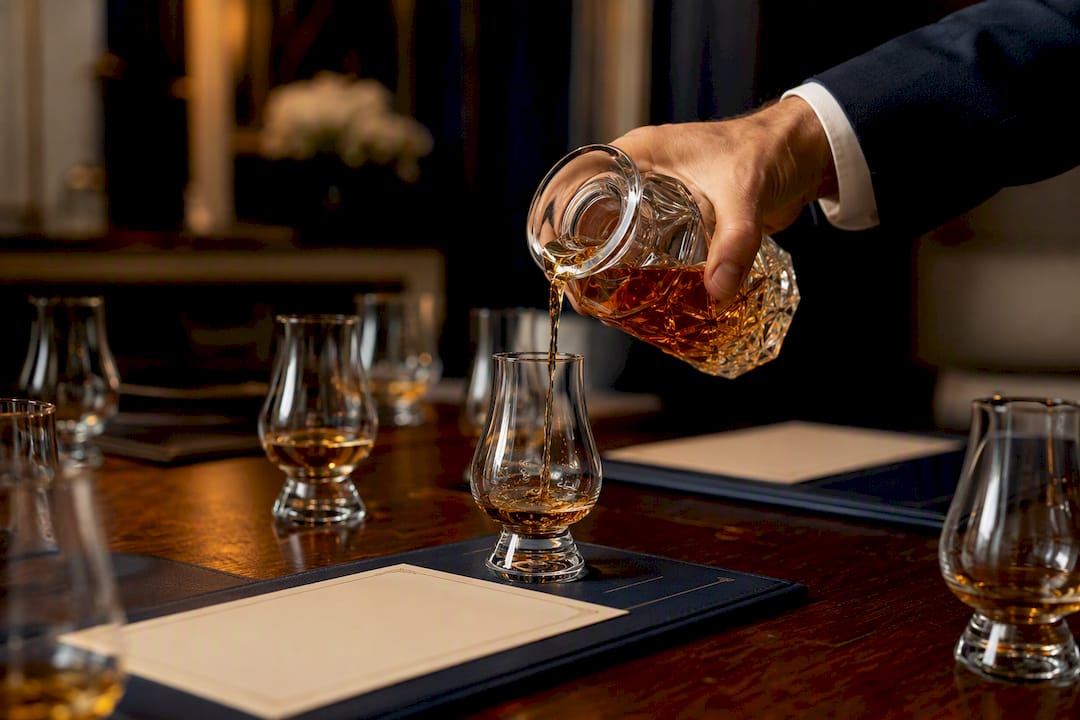
60-minute workshop or tasting: ten minutes of framing, thirty minutes of hands-on activity (a tasting, a short masterclass), fifteen minutes of open discussion, five minutes of closing thanks.
120-minute hospitality evening: arrival drinks (20 minutes), seated dinner with rotating conversation (60 minutes), main event or peak moment (30 minutes), closing toast (10 minutes).
Activity ideas mapped to format:
- Tasting sessions for intimate appreciation dinners
- Hands-on workshops for educational formats
- Facilitated roundtables for networking events
- A short speaker slot followed by open networking
- A surprise guest or access moment for VIP hospitality
A1lifestyle's examples of exclusive concert access illustrate how a single surprise element, backstage access, a meet-and-greet, can become the entire story a guest tells afterwards.
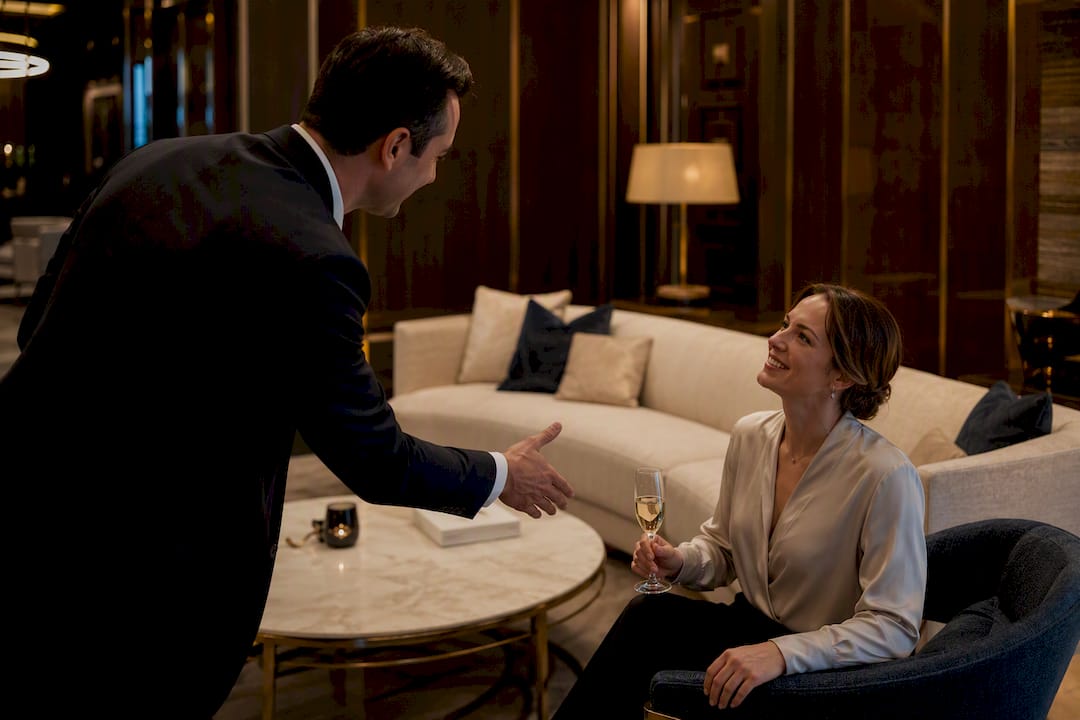
Pro Tip: Assign the host to make every introduction personally rather than letting guests circulate on their own. "This is Sarah, she runs the northern region and just closed a deal you'd find interesting" does more work than a name badge ever will.
What logistics need sorting before the invitations go out?
Planning a client event without a checklist is how budgets balloon and guest lists become accidental rather than intentional.
- Write the objective in one sentence and segment your guest list against it.
- Build the invite list from your CRM, prioritising relationship depth over headcount.
- Send invites at least three to four weeks out for anything beyond a virtual touchpoint.
- Track RSVPs and follow up personally with anyone who hasn't replied within a week.
- Draft a run-of-show with named owners for welcome, peak moment, and closing.
- Confirm staffing: who's hosting, who's managing logistics, who's taking photographs.
- Check accessibility needs and dietary requirements at RSVP stage, not on the day.
Budget scales with average deal size. A modest appreciation dinner for a small group might cost several thousand pounds when including venue, food, and gifts; a branded box at a major sporting fixture for key accounts costs considerably more but usually targets your highest-value relationships. The Marketing Blender's guidance on client experience events makes the same point: the right audience mix and personalisation increase ROI more reliably than simply spending more.
One line worth building into every checklist: if you're collecting names, dietary data, or taking photographs, get clear consent at RSVP stage and say plainly how images will be used.
Pro Tip: A1lifestyle's notes on impressing stakeholders with exclusive events are worth reading before finalising your guest list, particularly for events involving senior client contacts.
How do you host an event so relationships actually deepen?
The host's job is connection, not presentation. Minimise slides, maximise conversation, and treat every introduction as a small act of matchmaking.
- Greet every guest personally at the door, by name, within the first thirty seconds.
- Make curated introductions rather than leaving guests to find their own way.
- Cut any planned business update to under ten minutes total.
- Build in one unstructured stretch of at least twenty minutes with no programme.
Successful hosts consistently focus on connection over content. Guests remember who introduced them to someone useful; they rarely remember what was on a slide.
Pro Tip: If the room starts to feel like a sales pitch, drop the agenda entirely and ask an open question, "What's been the most interesting part of your year so far?", then let the conversation run. Recovering warmth matters more than sticking to a schedule.
What should follow-up look like after the event?
The event itself is only half the work. What happens in the following weeks decides whether the goodwill converts into anything measurable.
- Within 24 to 48 hours: send a short, personal note referencing a specific moment from the event, not a generic thank-you blast.
- At one week: follow up with anyone who raised a specific need or question during the event, with a concrete next step.
- At three to six weeks: re-engage with relevant content, an article, an invite to the next event, or a direct check-in call.
Practitioner guidance on building relationships after events points to a short, timely, personalised sequence as the difference between an event that pays off and one that's forgotten within a fortnight.
Useful follow-up hooks:
- Reference the specific dish, moment, or conversation, not just "great to see you"
- Mention a detail about their business they shared, not yours
- Attach something genuinely useful, an article, an introduction, a relevant offer
- Keep the first message under five sentences
For CRM tracking, log attendance, note anything personal a client mentioned, and flag anyone who expressed a specific need during the event for priority follow-up within a week rather than folding them into a general nurture sequence.
| Follow-up stage | Purpose |
|---|---|
| 24 to 48 hours | Personal note referencing a specific moment |
| One week | Concrete next step for anyone who raised a need |
| Three to six weeks | Re-engagement via content or a direct invite |
How do you measure whether an event actually worked?
Events without measurement are just nice evenings. The clients most likely to see genuine ROI treat every event as a data point, not a one-off.
Track these KPIs:
- Attendance rate against invitations sent
- Event satisfaction or a simple post-event feedback score
- Number of referral conversations that followed
- Meetings or appointments generated within six weeks
- Pipeline value you can reasonably attribute to the event
Events planned with clear, measurable business outcomes are three times more likely to achieve positive ROI than those run without a defined objective. That single fact is worth repeating to anyone who treats client events as a soft, unmeasurable cost.
| Metric | When to capture it |
|---|---|
| RSVP and attendance rate | Before and on the day |
| Satisfaction feedback | Within 48 hours of the event |
| Referral or introduction count | Two to six weeks after |
| Pipeline influenced | At quarterly review |
What goes wrong with client events, and how do you avoid it?
The most common failure is treating an event as a sales pitch in disguise. Clients notice within minutes when the "appreciation dinner" is actually a product demo with wine, and the trust cost of that bait-and-switch outlasts any short-term pipeline gain.
A second frequent pitfall is guest list mismatch, inviting people who have nothing in common and no reason to talk to each other. Ten strangers at a table produce polite silence, not connection. Segment your list by genuine complementary interest, not just by account size.
Budget mismanagement causes a third problem: spending unevenly across the guest list so your top accounts get a forgettable evening while a mid-tier client gets VIP treatment by accident. Match spend to relationship value deliberately, not by whoever RSVPs first.
Finally, many hosts skip follow-up entirely once the event ends, treating the evening itself as the whole strategy. Events accelerate relationships, but they don't create trust from nothing. They work best layered onto consistent client contact before and after, not as an isolated gesture once a year. If your only touchpoint with a client is a single Christmas party, don't expect one evening to carry the whole relationship.
What actually moves a client, beyond the obvious?
The events that create real pride, the kind clients mention unprompted months later, tend to share one trait: a moment the client couldn't have arranged for themselves. It's rarely the venue or the catering that gets remembered. It's the backstage pass, the seat nobody else could get, the introduction to someone genuinely useful.
One pattern worth noting: clients who bring their own guest to an event almost always become stronger referral sources afterwards, because they've already vouched for you once, socially, before any contract renewal conversation happens. That single behaviour, whether someone would bring a plus-one, tells you more about the health of a relationship than any satisfaction survey.
The practical lesson is simple. Before your next event, ask whether what you're offering could be arranged by the client themselves with a bit of effort. If the answer is yes, the event won't create pride. If the answer is no, you've likely found your peak moment.
How A1lifestyle helps you run client events that land
Running an experience-led event well takes access most businesses simply don't have, backstage passes, private boxes, sold-out fixtures, and the concierge attention that turns a booking into a genuinely memorable evening. A1lifestyle exists for exactly that gap: over 30 years of industry relationships mean clients get guaranteed access to sold-out concerts, sport, and shows, not just a chance at tickets.
For business professionals, A1lifestyle offers VIP hospitality and private boxes, backstage passes, personalised concierge planning for the whole evening, and tailored corporate group bookings for larger client cohorts. If you're already comfortable managing your own guest list, venue, and run-of-show, a self-managed dinner or workshop remains the right call. But once the event is anchored around exclusive access, a sold-out fixture, a hard-to-get box, a specialist partner removes the guesswork around availability entirely.
Browse Premier League hospitality or explore the full range of concierge and corporate services to see what's available for your next client event, then get in touch to check dates and package options for your guest list.
Sources
- From forgettable to five-star: How to design client events that generate referrals - PreciseFP
- Client experience events: How to plan events that build trust and drive ROI - The Marketing Blender
- How to create client events that actually generate referrals - USA Financial
FAQ
What is the best way to build strong client relationships through events?
Combine an experience-led format, appreciation dinners or exclusive hospitality, with a clear goal and a personalised follow-up within 48 hours; the format matters less than the intent behind it.
What are some effective activities for building client relationships?
Tastings, hands-on workshops, facilitated roundtables, and surprise access moments, like backstage passes, consistently outperform lecture-style presentations for generating genuine connection.
How do you build lasting relationships with clients through events?
Layer events onto consistent contact rather than treating one evening a year as the whole strategy, and follow up with a personal note referencing a specific moment from the event within a day or two.
How would you build a relationship with a client at a hospitality event?
Make personal introductions rather than letting guests circulate alone, keep any business content under ten minutes, and leave real unstructured time for conversation to happen naturally.
Is it better to host an event yourself or use a specialist?
Self-managed events work well for smaller, routine gatherings; specialist partners like A1lifestyle make more sense once the event depends on exclusive access, such as a sold-out concert or a private box at a major fixture.